
Selecting the right stainless sink cabinet for your kitchen requires balancing physical space constraints, plumbing configurations, and your daily cooking habits. While stainless steel is highly valued for its durability, heat resistance, and hygienic properties, the structural design of the cabinet determines how seamlessly it integrates into your home. Choosing between a traditional fixed under-sink base cabinet, a mobile cart with an integrated sink, or a space-saving wall-mounted unit depends on whether you prioritize heavy-duty stability, flexible positioning, or floor clearance. By evaluating your kitchen’s layout and workflow first, you can select a configuration that enhances efficiency and prevents costly installation errors.
Assessing Your Kitchen Layout and Workflow Needs
Before committing to a specific stainless sink cabinet, you must establish the physical boundaries of your kitchen. Begin by measuring the exact floor area where the cabinet will sit, paying close attention to door clearances, drawer swings, and adjacent appliances. In tight layouts, even a few millimeters of overhang can obstruct pathways or prevent nearby cabinets from opening fully.
Plumbing locations dictate where a fixed cabinet can realistically go. Locate your existing hot and cold water supply lines, shut-off valves, and drain pipes. If you plan to install the sink far from these points, you must account for the cost and complexity of rerouting plumbing through walls or floors. In tropical environments like the Philippines, high ambient humidity can cause condensation to form on cold water pipes, making adequate ventilation around these plumbing connections essential to prevent mold growth.
Products mentioned in this guide
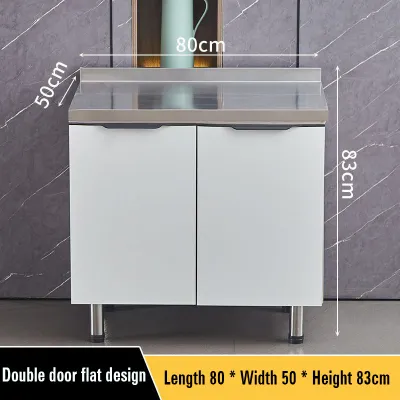
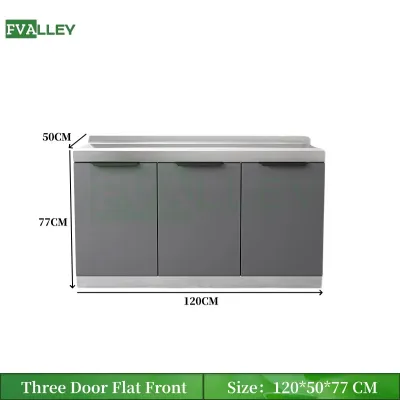
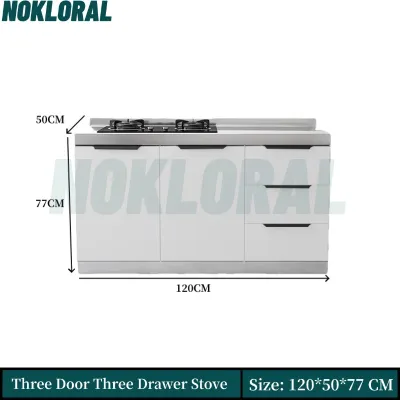
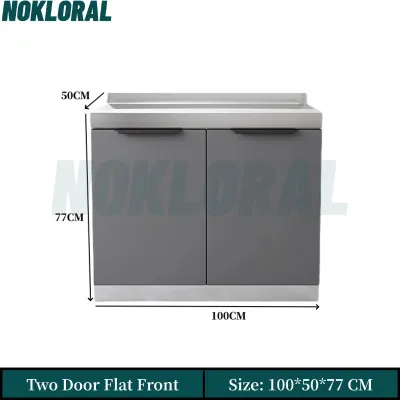
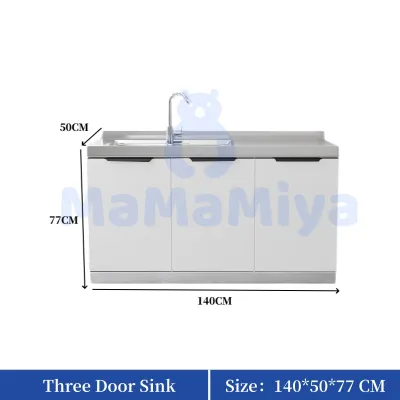
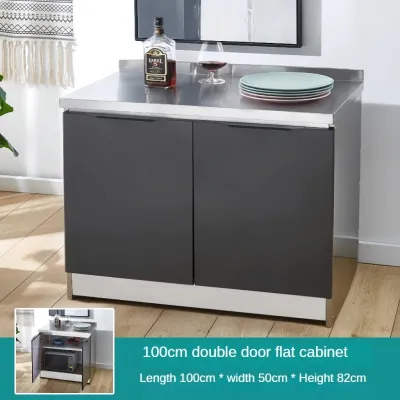
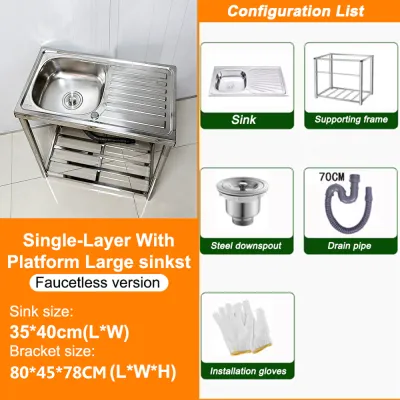
Prices are valid at publication and may change. Please refer to the product page for the latest price.
Your daily cooking and cleaning routines should guide the size and depth of the sink bowl itself. If you frequently cook with large, heavy cookware such as stockpots, woks, or traditional kawali, a shallow sink will lead to excessive splashing and awkward handling. Measure your largest pots and ensure the sink bowl depth and width can accommodate them comfortably.
Finally, consider how you move within the space. A high-volume kitchen where multiple people cook simultaneously requires clear zones for prep, washing, and cooking. The placement of your sink cabinet should support a logical flow, typically positioning the washing station between the food storage area and the cooking range to minimize unnecessary steps.
Under-Sink Base Cabinets for Fixed, High-Volume Zones
Traditional under-sink base cabinets are the standard choice for permanent, high-volume kitchen setups. These units sit directly on the floor, providing a solid foundation that can support the substantial weight of a fully loaded sink. When filled with water and heavy dishes, a large stainless steel sink can weigh dozens of kilograms, making structural stability a primary safety consideration.

Before installation, verify that your kitchen floor is level. Uneven floors place uneven stress on the cabinet joints and can prevent the sink from draining correctly, leading to standing water and mineral buildup. Many high-quality stainless steel base cabinets feature adjustable leveling feet to compensate for minor floor slopes, which should be adjusted and locked during setup.
The interior of a base cabinet must accommodate more than just plumbing. You need to assess the layout of internal shelves to ensure they do not interfere with the P-trap, water filtration systems, or grease traps. In many residential areas, local building codes require grease traps under kitchen sinks; ensure the cabinet interior has sufficient clearance for both the trap and routine maintenance access.
Ergonomics and traffic flow are equally important when selecting a base cabinet. Look for units designed with a toe-kick—a recessed space at the bottom front of the cabinet. This small design detail allows you to stand closer to the sink without leaning forward, reducing lower back strain during long dishwashing sessions. Additionally, measure the door swing radius to ensure that opening the cabinet doors to retrieve cleaning supplies does not block the main kitchen walkway.
Mobile Carts with Sinks for Flexible or Compact Spaces
For multi-purpose kitchens, outdoor cooking areas, or highly compact spaces, a mobile cart with an integrated sink offers excellent flexibility. These portable stations allow you to reconfigure your workspace on demand, rolling the sink away when you need extra floor space for other activities. They are particularly popular for outdoor dirty kitchens common in Philippine households, where heavy food prep and fish cleaning are kept outside the main living areas.
Safety is a critical factor when evaluating a mobile sink cart. Because water shifts weight as it moves, a mobile cart must have heavy-duty, locking caster wheels to prevent accidental rolling during use. At least two of the casters should feature robust locking mechanisms that secure both the wheel rotation and the swivel axis. The cart’s frame must also have a low center of gravity to prevent tipping when the sink bowl is filled to capacity.
Plumbing for a mobile unit requires careful planning. Unlike fixed cabinets, mobile carts rely on flexible water supply hoses and drain lines. You must decide whether the cart will connect to a nearby outdoor faucet and drain into a floor waste outlet, or if it will utilize a self-contained system with fresh and waste-water buckets stored in the lower shelf. If using a bucket system, regularly monitor the waste bucket level to prevent overflows onto your kitchen floor.
While mobility is convenient, it comes with structural trade-offs. Mobile carts generally lack the rigid, fully enclosed framing of fixed base cabinets. During heavy prep work, such as chopping dense vegetables or scrubbing large pots, a mobile cart may flex or vibrate more than a stationary unit. Inspect the thickness of the steel tubing and the quality of the welded joints to ensure the cart can withstand daily physical stress without warping.
Wall-Mounted Units to Maximize Floor Space
Wall-mounted stainless sink cabinets are an excellent solution for maximizing floor space in narrow kitchens or commercial-style home setups. By suspending the cabinet off the floor, you create an open, airy feel and make floor cleaning incredibly simple. This configuration eliminates the hard-to-reach crevices beneath traditional cabinets where dust, moisture, and pests can accumulate.
However, wall-mounted units demand rigorous structural preparation. You cannot simply screw a heavy stainless steel cabinet into standard drywall or thin wood paneling. The wall must have solid wood blocking, metal studs, or, in the case of many concrete-block homes in the Philippines, heavy-duty masonry anchors. The mounting hardware must be rated to support the combined weight of the cabinet, the sink, a full volume of water, and the downward pressure exerted by a user leaning on the edge.
Calculating the correct mounting height is essential for long-term comfort. While standard counter height is typically around 85 to 90 centimeters, you should adjust the mounting height based on the primary user’s height to prevent back strain. Keep in mind that a deeper sink bowl requires a slightly higher mounting point to prevent you from having to bend too far forward to reach the bottom of the basin.
Because the space beneath a wall-mounted unit is completely open, your plumbing will be visible. This requires a focus on aesthetics and neat installation. Using polished chrome or stainless steel P-traps and supply lines creates a clean, professional look. Additionally, ensure that the water supply valves are easily accessible but positioned high enough to remain hidden behind the cabinet body or neatly aligned with the drain line.
Pre-Purchase Verification Checklist
Before finalizing your purchase of a stainless sink cabinet, you must verify several technical specifications to ensure a successful installation. First, check the steel grade and gauge. Grade 304 stainless steel is highly recommended for kitchen environments due to its high resistance to rust and corrosion, especially in humid climates. Grade 201 is a more budget-friendly alternative but requires more diligent drying to prevent surface rust. The gauge refers to the thickness of the steel; a lower gauge number indicates thicker, more durable steel that resists denting and dampens sound better.
Next, measure the delivery path. A fully assembled stainless steel cabinet cannot be easily disassembled to fit through tight spaces. Measure the width and height of all hallways, stairwells, entry doors, and kitchen entryways. Compare these measurements against the product’s shipping dimensions to avoid the frustration of a cabinet that cannot physically reach your kitchen.
Finally, confirm component compatibility. Check the number and size of the faucet hole punch-outs on the sink deck to ensure they match your chosen faucet. If you plan to install a soap dispenser or a water filtration tap, verify that there are extra pre-drilled holes or that the steel can be safely drilled on-site. Additionally, ensure the drain opening diameter matches standard plumbing fittings, which typically require a 3.5-inch drain assembly.
Frequently Asked Questions (FAQ)
Can I install a stainless sink cabinet myself?
The difficulty of installing a stainless sink cabinet depends heavily on the type of unit you choose. Assembling a mobile sink cart is generally a straightforward DIY project that requires basic hand tools, as these units often use simple slip-fit connections and flexible hoses. However, installing a fixed under-sink base cabinet or a wall-mounted unit is significantly more complex.
For fixed and wall-mounted installations, you must secure the unit to the floor or wall structure and make permanent connections to your home’s plumbing system. If your installation requires modifying existing copper or PVC water lines, cutting into main drain pipes, or reinforcing wall studs, it is highly recommended to hire a licensed plumber or professional carpenter. Improper plumbing connections can lead to hidden leaks that damage your flooring and walls, costing far more than professional installation fees.
How do I maintain the finish and prevent water spots?
Maintaining the clean look of a stainless steel sink cabinet requires regular, gentle care rather than harsh scrubbing. Always refer to the manufacturer’s care instructions, as some finishes have specific protective coatings. For daily cleaning, use a soft microfiber cloth or sponge with mild dish soap and warm water, always wiping in the direction of the steel’s brushed grain to avoid scratching the surface.
Water spots and mineral deposits are common, especially in areas with hard water. To prevent these spots from forming, dry the sink and cabinet surfaces thoroughly with a clean towel after each use. Avoid using abrasive scouring pads, steel wool, or chlorine bleach, as these can strip the protective chromium oxide layer of the stainless steel, leaving it vulnerable to rust and permanent staining. For stubborn mineral buildup, a gentle solution of equal parts water and white vinegar can be applied, rinsed thoroughly, and dried immediately.

Community discussion
Share your experience or ask a question. Comments are reviewed before publication.