
Selecting the right stainless steel kitchen cabinet requires balancing your available floor space, wall structural integrity, and daily cooking workflow. While stainless steel is highly valued for its hygienic, heat-resistant, and easy-to-clean properties, the physical format of the cabinet—whether it is wall-mounted, freestanding, mobile, or configured as a central island—determines how effectively it integrates into your kitchen layout. A poorly matched cabinet can disrupt your kitchen work triangle, block essential pathways, or overload your walls, whereas a well-chosen unit optimizes storage and streamlines food preparation.
To make an informed decision, you must evaluate your kitchen’s physical layout alongside your specific storage and preparation needs. This guide provides a comprehensive breakdown of the primary stainless steel cabinet styles, their practical applications, spatial requirements, and critical installation checks, helping you select the ideal configuration for your home.
Assess Your Kitchen Space and Storage Gaps
Before browsing product listings or visiting showrooms, you must conduct a thorough spatial audit of your kitchen. Begin by measuring the exact footprint of your available floor space, paying close attention to the “work triangle” between your stove, sink, and refrigerator. Use a high-quality measuring tape to map out the width, depth, and height of the area where you plan to position the cabinet. It is vital to account for clearance zones; doors, drawers, and appliance fronts must be able to swing open fully without colliding with the new cabinet or obstructing primary walkways. In tight layouts, even a few millimeters of overhang can turn a functional pathway into a frustrating bottleneck.
Products mentioned in this guide
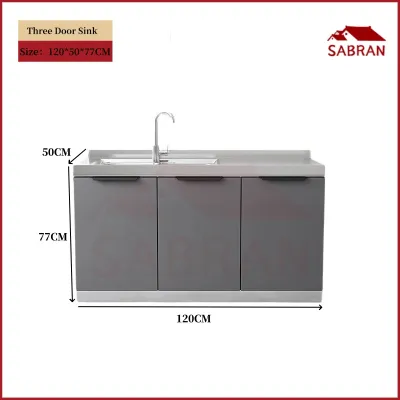
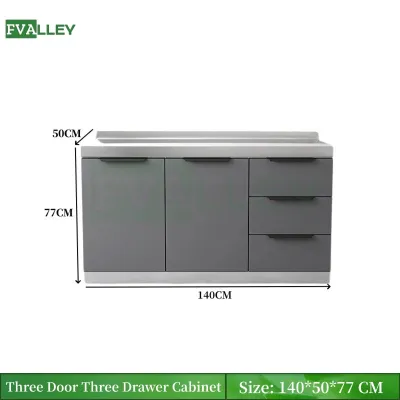
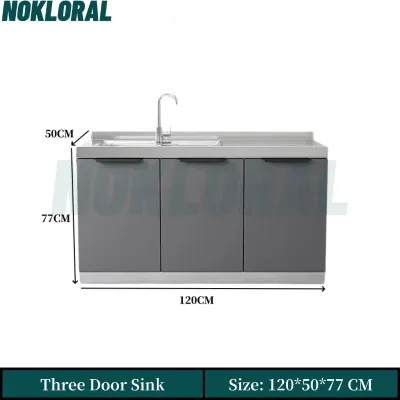
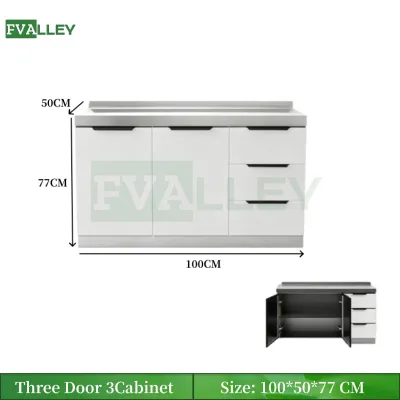
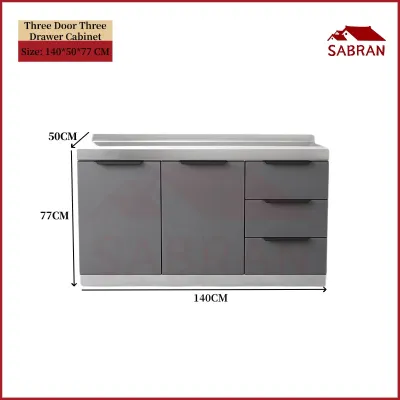
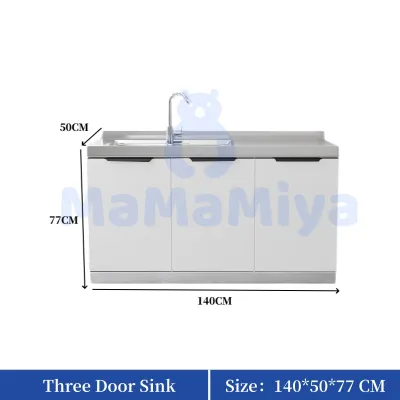
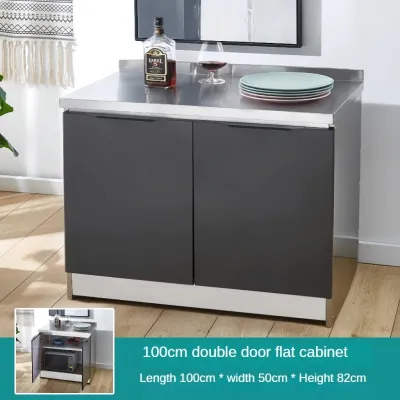
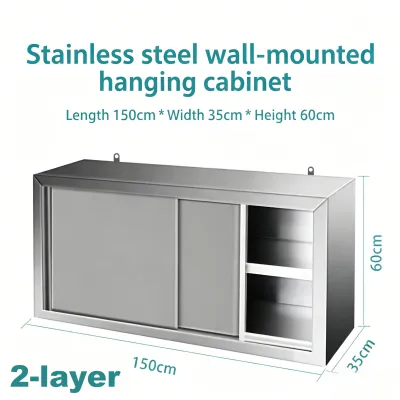
Prices are valid at publication and may change. Please refer to the product page for the latest price.
Next, identify the specific functional gaps in your current kitchen setup. Are you struggling with a lack of clear counter space for chopping and food prep, or do you simply need enclosed, pest-resistant storage for dry goods, cookware, and small appliances? If your primary challenge is prep space, a unit with a flat, heavy-gauge stainless steel countertop is essential. If your goal is organized storage, prioritize cabinets with adjustable internal shelving and secure, tight-sealing doors. In tropical climates where humidity and pests are common household challenges, enclosed stainless steel storage is particularly effective at protecting dry ingredients from moisture and unwanted pests.
Finally, evaluate the structural readiness of your kitchen environment. Heavy freestanding cabinets and fully loaded storage units exert significant downward force, requiring a level, stable floor that can support the combined weight of the steel frame and your heaviest kitchen tools. For wall-mounted installations, you must verify the composition of your walls. Stainless steel cabinets are inherently heavy even when empty; mounting them securely requires locating solid wooden studs or anchoring directly into concrete or masonry walls. Attempting to mount heavy metal cabinetry without verifying these structural foundations poses a serious safety risk.
Wall-Mounted Cabinets: Maximizing Vertical Space in Compact Kitchens
Wall-mounted stainless steel cabinets are the premier choice for compact kitchens, narrow galley layouts, and urban apartments where floor space is at a premium. By elevating your storage, these units keep your floor area completely clear, which not only makes your kitchen feel more spacious but also simplifies daily cleaning routines like sweeping and mopping. In warm, humid environments, keeping storage off the floor also minimizes cool, damp hiding spots where pests tend to gather, promoting a cleaner and more hygienic culinary space.

However, successful installation of wall-mounted units demands rigorous structural checks. You must verify the location and strength of your wall studs using a reliable stud finder, or ensure you are mounting into solid concrete or brick using heavy-duty masonry anchors. Always consult the manufacturer’s specifications for the maximum weight capacity of both the cabinet frame and the individual shelves. When installing the unit, use only the high-grade mounting hardware recommended by the manufacturer, and ensure the cabinet is perfectly level to prevent stored items from sliding or shifting inside.
While wall-mounted cabinets are excellent for vertical optimization, they do come with inherent physical limitations. Because they must remain shallow enough to prevent users from bumping their heads while working at the countertop below, they typically offer a restricted depth. This makes them unsuitable for storing large, bulky appliances like stand mixers, air fryers, or oversized stockpots. Additionally, because they rely entirely on wall anchors for support, they have a lower overall weight capacity compared to floor-standing base cabinets, meaning you must reserve them for lighter items like glassware, dinnerware, spices, and dry food containers.
Freestanding Cabinets: Adding Flexible Base Storage Without Renovation
Freestanding stainless steel cabinets offer a highly versatile, non-permanent storage solution for homeowners and renters alike. These self-supporting units allow you to add substantial base storage and extra countertop workspace without the high costs, mess, and permanence of a full kitchen renovation. If you are renting your home, a freestanding cabinet is an excellent investment, as it can be easily disassembled or moved to a new property when your lease ends. They are also ideal for filling awkward, underutilized gaps between existing built-in cabinets or appliances.
When selecting a freestanding unit, precise measurement is critical to ensure a seamless fit. You must verify the exact exterior dimensions of the cabinet, including any protruding handles, hinges, or door frames, to ensure it fits snugly into your designated space. Look for models featuring adjustable leveling feet; kitchen floors, particularly those with tile or older concrete finishes, are rarely perfectly flat, and adjustable legs allow you to stabilize the cabinet and prevent wobbling. Additionally, ensure there is ample clearance in front of the unit for the cabinet doors to swing open at least 90 degrees without hitting adjacent walls or appliances.
The primary trade-off of freestanding cabinets is their physical footprint. Because they sit directly on the floor, they consume valuable square footage that might otherwise be used for movement or other appliances. In smaller layouts, a poorly placed freestanding cabinet can easily disrupt the kitchen work triangle or block primary walkways. To avoid this, map out the cabinet’s footprint on your floor using painter’s tape before purchasing, and walk through the space to ensure you can still move comfortably and safely during busy cooking sessions.
Mobile Carts: Creating Movable Prep and Appliance Stations
Mobile stainless steel carts provide an exceptionally dynamic solution for kitchens that require flexible preparation surfaces and adaptable storage. These units function as movable work stations that can be rolled directly to where you need them most—such as next to the stove during active cooking—and then tucked away against a wall or in a pantry when the meal is finished. They are particularly useful for holding heavy, frequently used countertop appliances like microwaves, rice cookers, or stand mixers, allowing you to operate them safely and then roll them out of sight to keep your main countertops clutter-free.
When evaluating mobile carts, the quality of the caster wheels is of paramount importance. Look for heavy-duty, smooth-rolling casters made from durable materials like polyurethane, which glide easily over tiled or wooden floors without leaving scuff marks. Crucially, at least two of the casters must feature robust, easy-to-operate locking mechanisms to secure the cart firmly in place while you are chopping ingredients or operating heavy machinery. Additionally, check the placement of the push handles to ensure they are ergonomically positioned, and pay close attention to shelf weight distribution; placing heavier items on the bottom shelf is essential to maintain a low center of gravity and prevent the cart from tipping over while in motion.
Despite their high utility, mobile carts have distinct limitations. Because they must remain light and maneuverable enough to roll easily, they generally offer a much smaller enclosed storage footprint than stationary freestanding cabinets. Many mobile carts feature open shelving rather than fully enclosed doors, which exposes your stored items to dust, grease, and kitchen splatters. Furthermore, you must have a dedicated, unobstructed floor space where the cart can be safely parked and locked when not in use, otherwise it can quickly become a hazardous obstacle in a busy kitchen.
Kitchen Islands: Building a Central Hub for Large Layouts
For spacious, open-plan kitchens, a stainless steel kitchen island serves as the ultimate central hub for food preparation, casual dining, and social gathering. An island provides an expansive, uninterrupted work surface that allows multiple cooks to collaborate simultaneously without crowding one another. Because of its central positioning, a stainless steel island can dramatically improve your kitchen’s workflow, acting as a bridge between separate storage, washing, and cooking zones while adding a professional, industrial-grade aesthetic to your home.
Integrating a stainless steel island into your layout requires careful spatial planning and adherence to strict clearance guidelines. Design professionals generally recommend maintaining a minimum walkway clearance of 90 to 120 centimeters (approximately 36 to 48 inches) on all sides of the island to allow for comfortable foot traffic and to ensure that opposing cabinet doors, dishwashers, and ovens can open fully at the same time. If you plan to integrate utilities into your island, such as a prep sink or a built-in cooktop, you must verify the feasibility and cost of routing plumbing, electrical wiring, or gas lines beneath your floor before finalizing your purchase.
The main limitations of a kitchen island are its substantial spatial footprint and the complexity of its installation. An island is entirely unsuitable for small or narrow kitchens, where it will severely restrict movement and ruin the room’s flow. Additionally, high-quality stainless steel islands represent a significant financial investment, particularly if they require professional plumbing or electrical installation. Unlike mobile carts or freestanding units, a fixed or plumbed island is a permanent structural addition that cannot be easily relocated or adjusted once it is installed.
Finalizing Your Choice: A Pre-Purchase Verification Checklist
To ensure you select the perfect stainless steel kitchen cabinet for your home, compile a final pre-purchase checklist based on your spatial measurements, structural limits, and daily cooking habits. Start by comparing your measured clearances against the manufacturer’s specified dimensions for the fully assembled unit. Never assume a cabinet will fit based on visual estimation alone; even a minor discrepancy of a few centimeters can prevent a door from opening or block a vital pathway.
Next, pay close attention to the material finish and care requirements of the cabinet. Stainless steel is available in various finishes, with brushed or satin finishes being highly recommended for residential kitchens because they are significantly better at concealing fingerprints, water spots, and minor scratches than highly polished, mirror-like surfaces. Review the manufacturer’s care labels and cleaning instructions to ensure they align with your household routine. Keep in mind that maintaining the pristine appearance of stainless steel requires a commitment to regular, gentle cleaning using appropriate, non-abrasive methods.
Finally, do not overlook the logistics of delivery and assembly. Before placing your order, measure the width and height of every doorway, hallway, stairwell, and elevator cabin that the delivery box or fully assembled cabinet must pass through to reach your kitchen. Many homeowners purchase the perfect cabinet only to find it cannot clear a tight turn in a stairwell or fit inside a condominium lift. Verifying these delivery pathways beforehand prevents costly return fees and ensures a smooth, stress-free installation process.
Frequently Asked Questions (FAQ)
How do I maintain the surface and prevent localized corrosion?
To preserve the protective passive oxide layer of your stainless steel cabinet, always follow the manufacturer’s specific care instructions. Clean the surfaces regularly using a soft microfiber cloth, warm water, and a mild dish soap, and strictly avoid using chloride-based cleaners, bleach, or highly abrasive scrubbing pads like steel wool, which can scratch the metal and trigger rust. In humid or coastal environments, ensure your kitchen is well-ventilated to prevent prolonged exposure to steam and salt-laden air. Always wipe up acidic spills—such as vinegar, citrus juices, or tomato sauce—promptly, and dry the surfaces thoroughly after cleaning to prevent water spotting and localized pitting.
Can I install wall-mounted stainless steel cabinets directly on drywall?
No, you should never install wall-mounted stainless steel cabinets directly onto standard drywall using basic drywall anchors. Stainless steel cabinets are heavy, and when loaded with dishes, canned goods, or kitchen appliances, the sheer weight will easily pull standard anchors out of the wall, causing severe property damage or personal injury. You must anchor the cabinet’s mounting brackets directly into solid wooden wall studs, or use heavy-duty masonry anchors if you are mounting onto concrete or hollow block walls. If you cannot locate your wall studs, are unsure of your wall’s structural composition, or lack the proper tools, stop immediately and consult a qualified professional installer to complete the job safely.

Community discussion
Share your experience or ask a question. Comments are reviewed before publication.