
A 2-inch polyurethane foam mattress, such as a standard Uratex entry-level model, does not inherently trap as much deep body heat as thicker foam models. Because the material profile is thin, your body does not sink deeply into the foam, which limits the insulating “hug” effect that often causes sleeping hot. However, whether this mattress feels too hot during a humid night in the Philippines depends heavily on your immediate sleep environment. Factors such as bedroom ventilation, the type of bed base you use, and your choice of bedsheets play a massive role in determining if you will wake up drenched in sweat or rest comfortably.
Understanding how a thin foam layer interacts with tropical humidity is key to optimizing your sleep setup. While polyurethane foam is a synthetic material known for retaining heat, a 2-inch thickness offers a unique set of physical characteristics that can either work for or against you. By analyzing your room’s microclimate and making a few strategic adjustments to your bedding and bed frame, you can enjoy a cooler night’s sleep without needing to invest in an expensive replacement.
How Polyurethane Foam and Thickness Affect Heat Retention
Standard polyurethane (PU) foam is manufactured using synthetic polymers that create a dense network of tiny, closed or semi-open cells. These cells are highly effective at cushioning your body, but they also tend to trap pockets of still air. In a tropical climate, this trapped air quickly warms up to match your body temperature, creating a warm barrier directly beneath you. Unlike natural latex or open-coil innerspring systems, standard PU foam lacks natural channels for air to flow freely, making heat dissipation a challenge.
Products mentioned in this guide
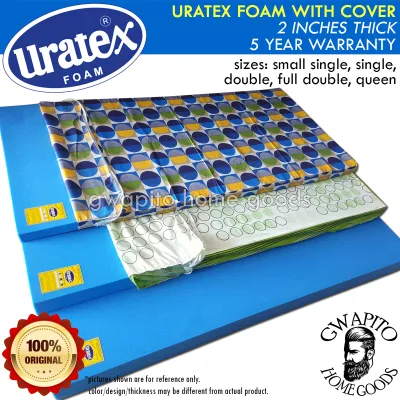

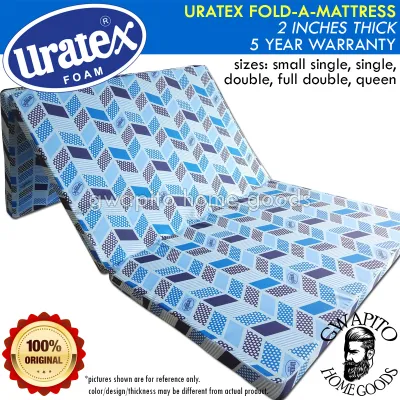



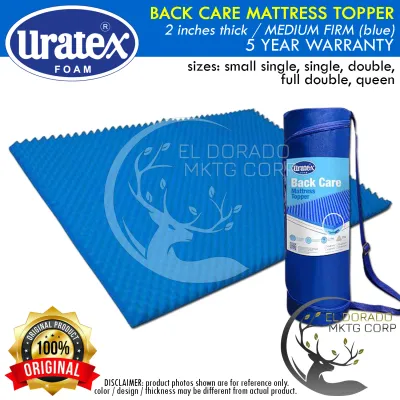
Prices are valid at publication and may change. Please refer to the product page for the latest price.
The thickness of your mattress is one of the most critical factors in how much heat it retains. A 2-inch profile is exceptionally thin, which is actually an advantage when it comes to temperature regulation. When you lie on a thick foam mattress, your body sinks several inches into the material, wrapping you in an insulating layer of foam that blocks airflow around your sides. With a 2-inch foam mattress, there is very little material to sink into. Your body remains mostly on top of the surface, allowing ambient room air to circulate around your skin and carry away excess heat.
However, because the foam layer is so thin, the surface directly beneath it becomes highly influential. If your 2-inch mattress rests on a solid wooden plank, a concrete floor, or a plastic-covered base, the heat your body transfers through the foam has nowhere to go. It hits the solid barrier and radiates right back up to your body. To prevent this, the underlying bed base must be breathable, allowing the heat that penetrates the thin foam layer to escape from the bottom of the bed.
The Impact of the Philippine Climate on Sleep Temperature
The climate in the Philippines presents a unique challenge for synthetic bedding materials due to the combination of high ambient temperatures and intense relative humidity. During the warm, dry months and even during the rainy season, indoor humidity levels can easily exceed 70 or 80 percent. Humidity directly interferes with the human body’s primary method of cooling itself: the evaporation of sweat. When the air is already saturated with moisture, sweat cannot evaporate efficiently from your skin, leaving you feeling sticky, clammy, and uncomfortably warm.

When you pair high humidity with a standard PU foam mattress, the sleep surface can quickly become a heat trap. If your bedroom lacks active air circulation, a pocket of hot, humid air forms directly above the mattress, creating a stagnant microclimate. The synthetic fibers in the foam do not absorb moisture well, meaning any sweat that does not evaporate accumulates on the surface of the mattress or within your bedsheets, compounding the feeling of heat and discomfort.
This thermal buildup is particularly noticeable in unairconditioned bedrooms, which rely entirely on natural ventilation or electric fans. In a room cooled by air conditioning, the unit actively removes moisture from the air and lowers the ambient temperature, allowing even a standard foam mattress to feel relatively cool. However, if you sleep in a room with only a wall or ceiling fan, the fan merely moves the warm, humid air around. In these conditions, the heat-retaining properties of the foam are amplified, making a breathable setup absolutely essential for a restful night.
Observable Signs Your Foam Mattress Is Sleeping Hot
Identifying whether your mattress is the primary culprit behind your sleep discomfort requires paying close attention to specific physical and environmental cues. The most common sign is waking up in the middle of the night with damp sheets, a sticky back, or localized sweating along the areas of your body that make direct contact with the bed. If you use lightweight, breathable clothing and still find yourself waking up drenched, the synthetic foam beneath you is likely trapping your body heat and preventing moisture evaporation.
Another clear indicator is the “edge test” or moving to an unused section of the bed. If you roll over to the edge of your 2-inch mattress or touch a section that your body has not occupied for a while, and find that it feels significantly cooler and drier, your mattress is actively retaining heat in the sleep zone. Because a 2-inch mattress has limited material, the heat should theoretically dissipate quickly; if the occupied spot remains hot long after you move, the heat is trapped between your body, the sheets, and the foam.
You might also notice a seasonal pattern to your sleep quality. If you sleep soundly during the cooler, windier months of December and January but experience frequent waking, tossing, and turning from March through May, your mattress setup is failing to cope with the seasonal spike in temperature and humidity. This seasonal restlessness is a clear sign that your current sleep microclimate needs optimization, whether through improved room ventilation, a change in bedsheets, or a more breathable bed foundation.
Actionable Ways to Keep Your 2-Inch Foam Mattress Cool
Fortunately, because a 2-inch foam mattress is thin, it is highly responsive to external adjustments. One of the most accessible and practical changes you can make is upgrading your bed linens. Avoid synthetic sheets made of polyester or microfiber, as these materials act like plastic wrap, trapping heat and moisture against your skin. Instead, opt for sheets made from natural, breathable fibers such as 100% cotton, bamboo, or linen. These fabrics feature open weaves that allow air to pass through easily and possess natural moisture-wicking properties that help evaporate sweat, keeping your skin dry and cool.
Next, evaluate what your mattress is resting on. If your 2-inch foam mattress is placed directly on the floor or a solid plywood board, you are blocking all downward airflow. Consider switching to a slatted bed frame where the wooden or metal slats are spaced about 2 to 3 inches apart. This gap allows air to circulate freely beneath the thin foam layer, helping to dissipate the heat that filters down from your body. If you must use a solid base, placing a breathable, woven straw mat between the mattress and the base can create a small buffer zone that aids in air movement.
Finally, optimize the airflow within your bedroom to lower the ambient temperature around your bed. If you do not use air conditioning, position your electric fan to create a cross-breeze. Placing a fan near an open window can help pull cooler outside air into the room while pushing hot air out. You can also angle a floor fan so that it blows air directly across the surface of the bed, which helps break up the warm boundary layer of air that settles over your mattress. Keeping your bedroom door open can also improve overall air circulation throughout your living space.
When to Upgrade to a More Breathable Mattress
While practical adjustments can significantly improve the comfort of a 2-inch foam mattress, there are times when these modifications are simply not enough. If you have switched to breathable bamboo sheets, elevated your mattress on a slatted frame, optimized your room’s fan placement, and still find yourself waking up hot and restless, the physical limitations of standard PU foam may be too much to overcome. This is especially true for individuals who naturally run hot or those living in poorly ventilated top-floor apartments that trap heat during the day.
When shopping for a replacement mattress suited for the Philippine climate, look for structural features that actively promote ventilation. Innerspring or pocket spring mattresses are practical options because their cores consist mostly of open space, allowing air to flow completely through the mattress with every movement you make. If you prefer the contouring feel of foam, look for open-cell polyurethane foam, natural latex, or mattresses specifically labeled with gel-infused or breathable open-cell structures. Natural latex is highly breathable and does not retain heat the way synthetic PU foam does, though it often comes at a higher price point.
Before making a purchase, always verify the manufacturer’s specifications and care labels. Look for explicit mentions of breathability, open-cell technology, or cooling fabric covers. Avoid mattresses that rely heavily on thick layers of traditional memory foam without any cooling modifications, as memory foam is notorious for contouring closely to the body and trapping heat. Checking these details beforehand ensures your next mattress is fully equipped to handle the demands of a tropical climate.
Frequently Asked Questions (FAQ)
Can You Use a Cooling Mat on a 2-Inch Foam Mattress?
Yes, you can use a cooling mat or a gel-infused topper on a 2-inch foam mattress to help regulate surface temperature. These mats work by absorbing initial body heat and distributing it away from your skin. However, before adding any heavy topper or mat, check the mattress manufacturer’s care instructions to ensure it will not trap moisture between the layers. In a humid climate, trapping moisture can lead to mold or mildew growth, which can degrade the foam and compromise your sleeping hygiene.
What Is the Best Bed Base for Airflow in a Hot Climate?
A highly effective bed base for maximizing airflow under a thin foam mattress is a slatted wooden or metal frame. Slats allow air to pass freely beneath the mattress, preventing heat and moisture from getting trapped against a solid surface. Solid wooden platforms, concrete floors, or traditional box springs with solid fabric covers restrict this bottom-up ventilation, which can cause the mattress to sleep significantly warmer and increase the risk of moisture accumulation in humid tropical conditions.

Community discussion
Share your experience or ask a question. Comments are reviewed before publication.