
A standard 4ft foldable table can fit on many apartment balconies, but success depends entirely on your balcony’s depth and how you plan to use the space. While a four-foot length (approximately 122 centimeters) is highly manageable for most outdoor areas, the real challenge lies in the table’s width and the clearance required for chairs and daily foot traffic. Before making a purchase, you must evaluate the physical boundaries of your balcony to ensure the setup remains functional rather than cramped.
In tight urban living spaces, a balcony often serves multiple purposes, from a morning coffee spot to a mini garden or a laundry drying area. Introducing a large piece of furniture like a 4ft table requires careful spatial planning so you do not block essential pathways or emergency exits. By measuring your space accurately and understanding the actual footprint of the table when unfolded, you can create a comfortable outdoor lounge without compromising on safety or accessibility.
How to Measure Your Balcony for a 4ft Table
To determine if a 4ft table is right for your balcony, start by measuring the clear, usable floor space. Use a metal measuring tape to record the exact length and width of the balcony floor from wall to wall. Do not rely on the general architectural dimensions of your apartment, as these often include structural columns or thick railings that reduce the actual floor area. Ensure you measure along the floor level where the table legs will actually rest, keeping an eye out for baseboards or decorative moldings that might push the table away from the wall.
Products mentioned in this guide
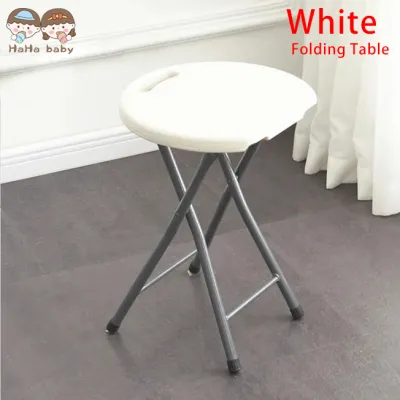
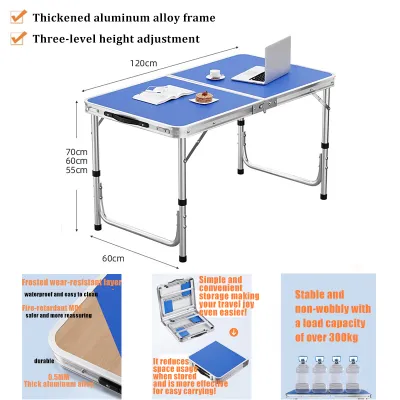
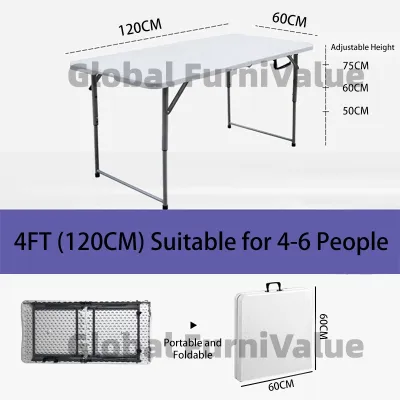
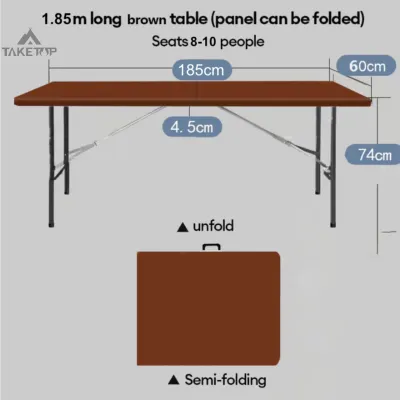
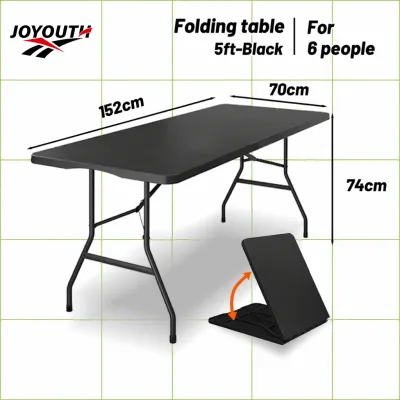
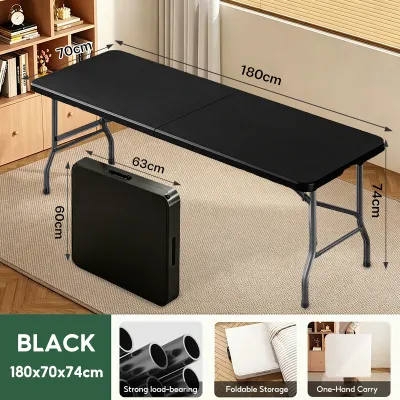
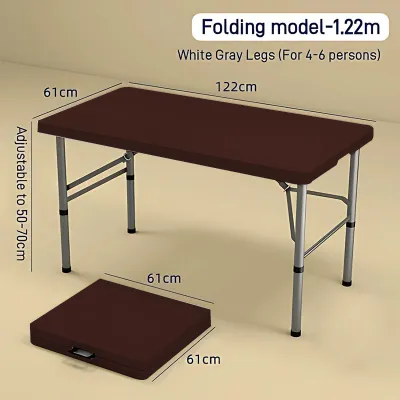
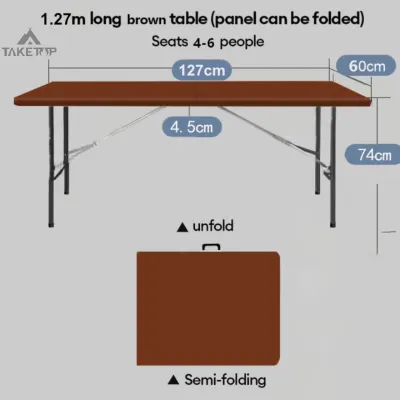
Prices are valid at publication and may change. Please refer to the product page for the latest price.
Next, identify and account for any fixed obstacles that permanently occupy balcony space. In many apartments, outdoor air conditioning condenser units, drainage pipes, wall-mounted faucets, or low-hanging utility meters can significantly restrict where you can place furniture. If your balcony has a railing with an inward overhang or a concrete ledge, measure the clearance below these features to ensure the table can slide underneath or sit flush against the perimeter.
Finally, do not forget to measure the path the table must take to reach the balcony. Measure the width of your balcony door frame, as well as any narrow hallways, tight corners, or entryways inside your apartment. Even if a table fits perfectly on the balcony once unfolded, it must first pass through these interior spaces in its packaged or folded state. Taking these preliminary measurements prevents the frustration of purchasing an item that is physically impossible to transport into your outdoor living area.
Understanding Actual 4ft Foldable Table Dimensions
When shopping for a foldable table 4ft in length, it is crucial to look beyond the generic “4ft” label in the product title. While the length is standard at approximately 120 to 122 centimeters, the width of these tables can vary significantly, typically ranging from 60 to 75 centimeters. A wider table provides more surface area for dining or working but will eat into the precious depth of a narrow balcony, potentially blocking your path entirely. Always check the manufacturer’s detailed specification sheet for the exact unfolded width and height before finalizing your choice.

Storage dimensions are equally important for foldable furniture, especially if you plan to put the table away during heavy rain, typhoons, or high-humidity seasons. Check the folded thickness and folded height of the table to identify where it will live when not in use. Some 4ft tables fold flat as a single sheet, while others feature a “fold-in-half” design with a built-in carrying handle. A fold-in-half model is easier to tuck into a small utility closet, under a bed, or behind a sofa, whereas a flat-folding model requires a tall, narrow gap against a wall.
The design of the table legs also plays a major role in both stability and legroom. Tables with four corner legs offer excellent stability but can limit where you place your chairs, as the legs block the outer edges. Conversely, tables with a center pedestal or trestle-style legs allow for more flexible seating arrangements but may require a flatter, more even floor surface to prevent wobbling. Examine the leg structure in the product photos to ensure it aligns with your planned seating layout and balcony floor conditions.
Planning the Layout: Clearance and Traffic Flow
A successful balcony layout requires a balance between the furniture’s physical footprint and the space needed for human movement. To sit comfortably, you must calculate the pull-out clearance for your chairs or stools. As a general rule, you need at least 60 to 70 centimeters of clear space behind the table to pull a chair out, sit down, and tuck yourself back in. If your balcony depth is less than 130 centimeters, placing a standard 60-centimeter-wide table with chairs on both sides will likely block all movement and press your back against the railing or wall.
Another critical factor is the swing radius of your balcony door. If you have a traditional hinged door that opens outward onto the balcony, you must position the table entirely outside of this arc to prevent collisions. Even with sliding glass doors, you must ensure that the table and chairs do not obstruct the active sliding panel, allowing you to step in and out of the apartment without squeezing past furniture. Mark the door’s path on the floor with masking tape during your planning phase to visualize this boundary clearly.
To optimize traffic flow, compare a wall-aligned placement against a center placement. Pushing the short end of the 4ft table against the apartment wall or the side railing is often the most space-efficient layout for narrow balconies, leaving a clear path to walk from the door to the opposite side. Centering the table is only advisable if your balcony is exceptionally deep, allowing for a complete walk-around clearance on all sides. For most apartment dwellers, a perimeter-focused layout keeps the center walkway open and maintains a spacious, uncluttered feel.
Adjusting the Setup for Narrow or Compact Balconies
If your measurements reveal that a standard 4ft table will make your balcony feel too cramped, there are several clever layout adjustments you can make. Look for specialized foldable models that support half-fold or drop-leaf configurations. These tables allow you to fold down one half of the tabletop, transforming a wide dining surface into a narrow console or bar that sits flush against the wall. This flexibility lets you enjoy a spacious surface when needed and quickly reclaim floor space for other activities.
Your choice of seating can also make or break a compact balcony setup. Instead of bulky, permanent outdoor chairs, pair your 4ft table with stackable, foldable, or low-profile stools. Foldable chairs can be hung on wall hooks or tucked away alongside the table when not in use, instantly clearing the floor. If you prefer a semi-permanent setup, consider a narrow bench that can slide completely under the table when you are not sitting, keeping the walkway clear during the day.
If a 4ft table simply cannot accommodate the necessary clearances, it is wiser to opt for a smaller alternative rather than forcing a tight fit. A 2ft or 3ft square foldable table, or even a round bistro table, might offer a much safer and more comfortable experience. Round tables are particularly forgiving in tight spaces because they lack sharp corners, making it easier to navigate around them without bumping your knees or hips in a restricted area.
Pre-Purchase Verification Checklist
Before clicking the buy button on an online marketplace, run through this final checklist to ensure a seamless delivery and setup. First, cross-reference your physical balcony measurements with the exact product specifications provided by the seller, ignoring generic marketing titles that might round numbers up or down. Ensure that the unfolded length, width, and height all align with the clearance zones you mapped out on your balcony floor.
Second, verify the table’s material and outdoor suitability by checking the manufacturer’s label or product description. Look for explicit mentions of weather resistance, rust-proof frames, or UV protection, especially if your balcony is exposed to intense tropical sun, heavy rain, or high humidity. If the table is made of materials prone to water damage or fading, plan to purchase a protective waterproof cover or ensure you have enough indoor storage space to keep it protected when the weather turns.
Finally, confirm the logistics of getting the packaged table to your apartment unit. If you live in a high-rise building, check the dimensions of the service elevator and the clearance of any tight stairwell turns to ensure the delivery team can transport the box safely. Taking a few minutes to verify these details beforehand prevents delivery delays, return shipping hassles, and the disappointment of a furniture piece that does not fit your lifestyle or your home.
Frequently Asked Questions (FAQ)
How should I store a foldable table when not in use on the balcony?
To maximize your balcony’s usable space and protect your furniture, store the table in its folded state vertically against a sturdy wall or tucked inside a nearby utility closet. If you must leave the folded table on the balcony, place it in a sheltered corner away from direct wind paths to prevent it from tipping over. Always check the manufacturer’s instructions regarding outdoor exposure; even weather-resistant tables benefit from a waterproof, UV-resistant cover when stored outside for extended periods to prevent moisture buildup and surface degradation.
What should I check on the product label for outdoor balcony use?
When reviewing the product label or specifications on an online marketplace, look for explicit ratings for outdoor use, such as UV-stabilized plastics, powder-coated steel or aluminum frames, or treated wood. Avoid tables labeled strictly for indoor use, as typical indoor materials like untreated particleboard or standard steel can warp, swell, or rust rapidly when exposed to outdoor humidity and rain. Choosing a table with verified weather-resistant treatments ensures your furniture remains stable, safe, and visually appealing over time.

Community discussion
Share your experience or ask a question. Comments are reviewed before publication.