
Foam mattresses are highly valued for their contouring support and pressure relief, but their thermal properties are a frequent point of concern for sleepers in hot and humid environments. Whether a specific foam single bed will sleep comfortably or trap excessive heat depends on several critical factors, including its foam density, structural design, and your bedroom’s overall ventilation. In a tropical climate, where nighttime temperatures and humidity levels remain high, understanding how these elements interact is key to ensuring a restful night’s sleep.
Choosing the right mattress involves balancing comfort, support, and temperature regulation. While traditional foam has a reputation for retaining heat, modern manufacturing techniques and smart bedroom setups can mitigate these issues. This guide will help you evaluate the cooling features of a foam single bed, optimize your sleeping environment, and decide if this mattress type aligns with your personal sleep style and budget.
Why Foam Mattresses Can Feel Warm in Tropical Climates
To understand why foam mattresses can feel warm, it is essential to look at the physical structure of the material. Traditional polyurethane foam is typically manufactured with a closed-cell structure. This means the microscopic bubbles within the foam are sealed shut, creating a dense barrier that restricts airflow. When you lie on the bed, your body heat is absorbed by the foam, but because the air cannot circulate, the heat becomes trapped directly beneath you, creating a warm sleeping surface.
Products mentioned in this guide
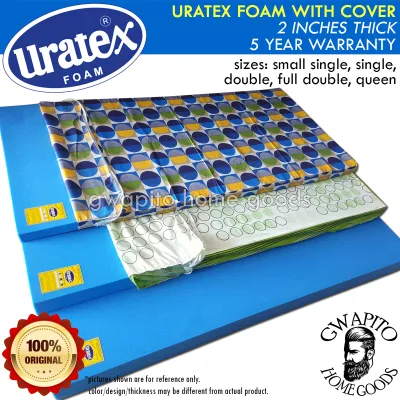
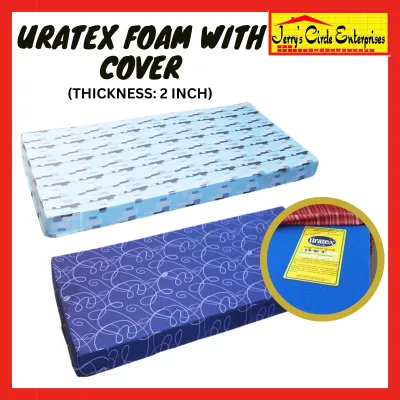
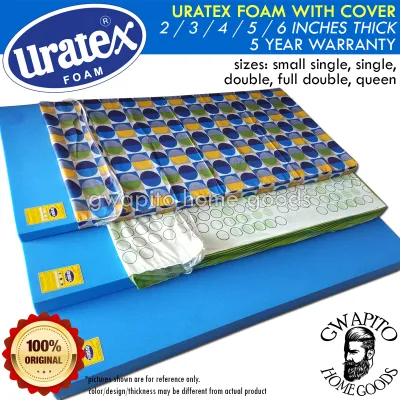
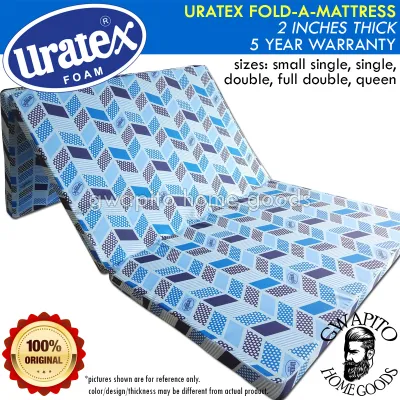
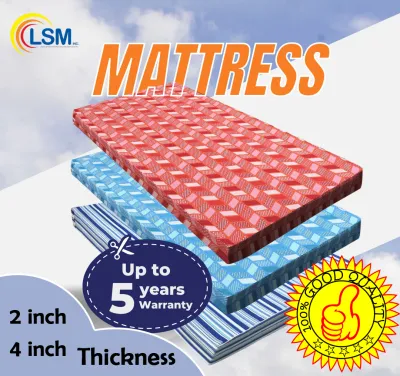
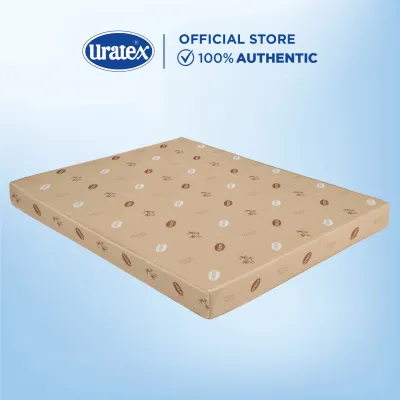
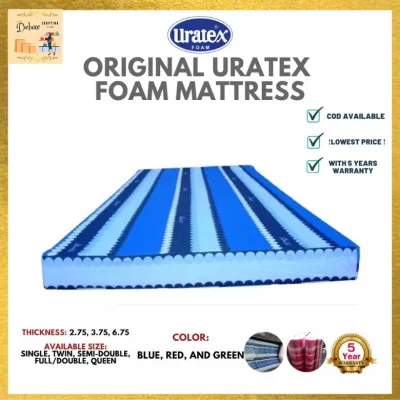

Prices are valid at publication and may change. Please refer to the product page for the latest price.
Modern foam mattresses often address this issue by utilizing an open-cell structure. In open-cell foam, the cell walls are broken, creating an interconnected network of pathways that allow air to flow more freely. When you move on the mattress, it acts like a bellows, pushing warm air out and drawing cooler air in. However, if the ambient air is already warm and stagnant, even open-cell foam can struggle to dissipate heat effectively without active room ventilation.
The density and thickness of the foam also play a significant role in heat retention. High-density foam provides excellent contouring and durability, but the closely packed material leaves less room for air circulation, making it inherently warmer than lower-density options. Furthermore, on a single bed, which has a compact surface area, a sleeper occupies a large percentage of the mattress. This leaves very little unoccupied surface area to dissipate heat, concentrating your body warmth in one localized spot throughout the night.
High ambient humidity further compounds this issue by interfering with the body’s natural cooling mechanisms. In a tropical climate, the air is often saturated with moisture, which prevents sweat from evaporating efficiently from your skin. If a mattress cover or the foam itself traps this moisture, it creates a humid microclimate in your bed. This combination of trapped heat and moisture can make a standard foam mattress feel stiflingly hot, highlighting the need for materials that actively promote breathability and moisture-wicking.
How to Check Your Uratex Mattress for Cooling Features
When shopping for a foam single bed or evaluating one you already own, the first step is to inspect the product labels, tags, and official descriptions. Manufacturers often label their mattresses with specific terms that indicate built-in cooling technologies. Look for keywords such as “open-cell,” “breathable foam,” “gel-infused,” or “cool-to-the-touch fabric.” If a mattress is marketed simply as standard polyurethane foam without any mention of airflow or cooling features, it is highly likely to retain more heat.

Next, examine the physical design and thickness of the mattress. Thicker mattresses, especially those over six inches, allow your body to sink deeper into the foam. While this provides excellent pressure relief for your hips and shoulders, it also wraps the foam around your body, reducing the skin surface area exposed to the air and trapping more heat. If you prefer a thicker mattress, look for models that feature a convoluted or “egg-crate” top layer, as the ridges and valleys in the foam create natural air channels that help dissipate heat.
The mattress cover is another critical component to inspect. Many budget-friendly foam mattresses are wrapped in synthetic polyester or damask covers. While these fabrics are durable and easy to clean, they are notorious for trapping heat and moisture. Look for covers made from natural fibers like cotton or bamboo-derived rayon, which are naturally breathable and moisture-wicking. Some advanced models also feature specialized cooling covers woven with high-density polyethylene fibers that help pull heat away from your body.
Optimizing Your Bedroom Setup for Cooler Tropical Nights
Even if you have a standard foam mattress that tends to run warm, you can significantly improve your sleep comfort by making strategic adjustments to your bedroom setup. The most immediate change you can make is upgrading your bedding. Avoid synthetic sheets, such as polyester or microfiber, which act as a barrier to airflow. Instead, invest in sheets made from 100% cotton, bamboo, or linen with a moderate thread count. A percale weave cotton sheet, for example, is loosely woven and highly breathable, allowing heat to pass through rather than trapping it against your skin.
The foundation supporting your single bed also plays a vital role in temperature regulation. Placing a foam mattress directly on a solid wooden platform, a concrete floor, or a solid box spring blocks all airflow from the bottom of the bed. This traps heat and moisture inside the foam core, which can lead to a warmer sleep surface and even mold growth. To prevent this, use a slatted bed frame. Ensure the slats are spaced close enough to support the foam without sagging, but wide enough to allow air to circulate freely beneath the mattress. When selecting a slatted bed frame, verify its load capacity and stability to ensure it can support both the mattress and the sleeper without sagging or shifting. If you choose a wooden slatted frame, check the quality of the joints and the moisture-resistant finish to ensure it can withstand the high humidity of the local environment.
Proper room ventilation is essential for sweeping away the warm air that accumulates around your bed. Position your single bed in a spot that benefits from cross-ventilation, such as between a window and a door. If you rely on a fan, position a wall-mounted or stand fan so that it blows air across the surface of the bed, helping to disrupt the boundary layer of warm, humid air that forms around your body. Regularly airing out your mattress by removing all bedding and opening the windows during dry, breezy days will also help release trapped moisture and keep the foam fresh.
Deciding If a Foam Single Bed Fits Your Sleep Style
Deciding whether a foam single bed is right for you depends heavily on how you cool your bedroom. If you sleep in a room with consistent air conditioning, a foam mattress can be an exceptionally comfortable choice. The air conditioner lowers both the temperature and the humidity of the room, allowing the foam to remain cool and preventing you from overheating. In an air-conditioned environment, you can enjoy the pressure-relieving benefits of foam without worrying about heat retention.
However, if your bedroom relies on natural ventilation or electric fans, you must carefully consider your personal sleep habits. If you are a hot sleeper or live in an area with high nighttime humidity, a standard, non-ventilated foam mattress may cause discomfort. In such cases, you will need to prioritize specialized cooling foam models or consider alternative mattress types, such as pocket spring mattresses, which naturally offer superior airflow due to the open space between the coils.
Finally, weigh the practical trade-offs of a foam single bed against your budget. Standard foam mattresses are highly popular because they are affordable, lightweight, and easy to maneuver. Their compact finished dimensions make them easy to transport through tight hallways, narrow doorways, or condominium lifts during delivery and assembly. If your budget is tight, purchasing a standard foam bed and pairing it with a high-quality, breathable mattress protector and cotton sheets can be a highly cost-effective solution. This allows you to enjoy the supportive benefits of foam while managing temperature control through external bedding choices and saving on the initial purchase price in ₱.
Frequently Asked Questions (FAQ)
Does High Humidity Damage a Foam Mattress?
Yes, persistent high humidity can gradually damage a foam mattress if it is not properly maintained. When moisture from the air and your body becomes trapped within the foam fibers, it creates a damp environment that encourages the growth of mold, mildew, and dust mites. Over time, this trapped moisture can also accelerate the chemical breakdown of the polyurethane foam, causing it to lose its elasticity, sag prematurely, and provide less support. To protect your mattress, ensure your bedroom has adequate airflow, use a breathable, water-resistant mattress protector, and periodically check the underside of the bed for any signs of dampness.
Can You Add a Cooling Topper to a Standard Foam Bed?
Yes, adding a cooling topper is an excellent and cost-effective way to improve the temperature regulation of an existing foam bed. Toppers made from gel-infused memory foam, open-cell polyurethane, or natural latex can create a highly breathable barrier between your body and the heat-retaining mattress core. When choosing a topper, be sure to check the combined height of your mattress and the topper to ensure your fitted sheets will still fit securely. Additionally, verify that the topper’s cover is made of a breathable, natural fabric, as a synthetic cover can block the cooling benefits of the underlying material.

Community discussion
Share your experience or ask a question. Comments are reviewed before publication.