
Deciding on the right furniture for a compact condominium balcony in the Philippines requires balancing style, comfort, and spatial efficiency. With outdoor areas in metropolitan developments often limited to a few square meters, every centimeter counts. The kimdelin folding table presents an intriguing option for residents looking to establish a cozy coffee nook or a temporary outdoor workspace. However, determining whether this specific piece fits your lifestyle and physical space requires looking beyond aesthetic appeal.
To make an informed decision, you must evaluate how the table interacts with your balcony’s actual footprint, local building regulations, and the demanding tropical climate. By taking precise measurements and planning your layout strategically, you can transform a small outdoor area into a highly functional retreat without creating a cramped or hazardous environment.
How to Measure Your Condo Balcony's True Usable Space
Measure the Clear Floor Area: Before browsing online listings, grab a physical tape measure to determine the actual dimensions of your balcony floor. Do not rely solely on the gross floor area listed in your condominium’s marketing brochures, as these figures often include wall thicknesses or unusable structural ledges. Measure the maximum length and width of the flat tile surface where furniture can realistically stand. Note any irregular shapes, such as angled corners, recessed alcoves, or columns, which can restrict where a rectangular or square table can be placed.
Products mentioned in this guide
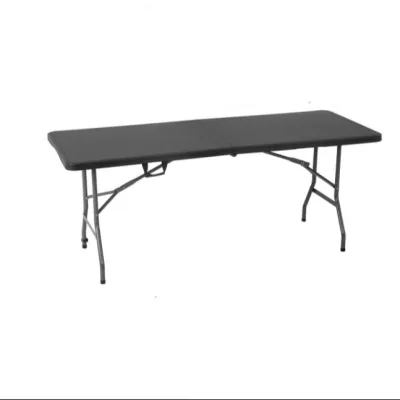
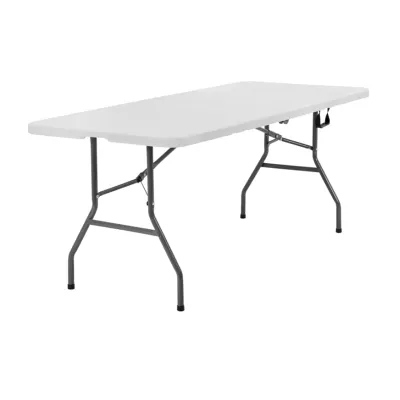
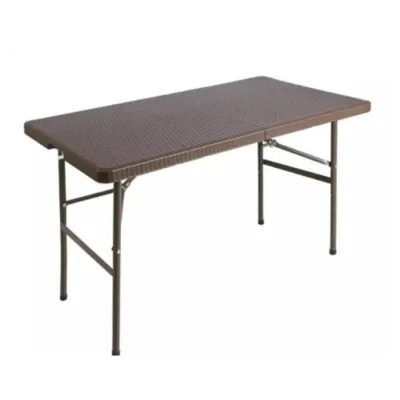
Prices are valid at publication and may change. Please refer to the product page for the latest price.
Identify Fixed Obstacles: Condo balconies in the Philippines are rarely empty boxes; they frequently house essential building utilities. Locate your air conditioning condenser unit, as these bulky metal boxes are often mounted on the balcony floor or hung from brackets, significantly reducing your usable area. Check for exposed drainage pipes, structural concrete pillars, dryer vents, and outdoor utility boxes. Mark these obstacles on a quick sketch of your floor plan so you do not accidentally plan to place your table where a pipe or compressor already sits.
Account for Door Swings and Traffic Flow: The transition between your indoor living space and the balcony is a critical boundary. If your balcony features a traditional swing door rather than a sliding glass panel, measure the door’s full swing radius. The door must be able to open completely without striking your table or chairs, even when someone is seated. Additionally, ensure there is a clear, direct walking path from the doorway to the railing to allow for safe movement, especially during sudden rain showers when you need to retreat indoors quickly.
Check Condominium Property Rules: Every condominium corporation in the Philippines enforces its own set of house rules, managed by the property management office. Many developments have strict safety guidelines that directly affect your furniture choices. For instance, some buildings strictly prohibit hanging tables or planters over the exterior railing due to the risk of falling objects during high winds or typhoons. Other rules may forbid blocking designated fire escape routes, obstructing window-washing access, or using furniture that alters the uniform exterior appearance of the building.
Key Kimdelin Folding Table Specs to Check Before Buying
Unfolded Dimensions vs. User Capacity: When evaluating the kimdelin folding table, your first step is to compare its official unfolded dimensions against your measured clear floor space. A standard balcony table designed for small spaces typically accommodates one to two people. Verify the table’s unfolded length, width, and height to ensure it provides sufficient surface area for your intended activities—such as holding a laptop, morning coffee, or a light meal—without extending so far into the space that it blocks all movement.

Folded Footprint and Storage Thickness: The primary benefit of a folding table is its ability to collapse and clear up floor space when not in use. However, a table that folds flat still occupies physical space. Check the manufacturer’s specifications for the folded depth or thickness of the table. If you plan to lean the collapsed table against a wall or store it behind a door, you must ensure its folded profile is slim enough to avoid creating a tripping hazard or blocking the door’s path.
Folding Mechanism and Clearance: Different folding tables utilize distinct mechanisms, such as drop-leaf designs, bi-fold systems, or wall-mounted brackets. Each type requires specific physical clearance to operate smoothly. For example, a wall-mounted folding table needs adequate vertical space underneath to swing down, as well as clear access to the locking pins or support brackets. Ensure you can comfortably reach and operate these mechanisms without scraping your hands against rough concrete walls or glass railings.
Material and Weather Resistance: The tropical environment in the Philippines subjects balcony furniture to intense heat, high humidity, and heavy seasonal rainfall. Do not assume that all folding tables are automatically rated for outdoor use. Carefully inspect the product specifications for the Kimdelin table to verify its materials. Look for rust-resistant metal frames, such as powder-coated steel or aluminum, and UV-stabilized plastics or treated wood. If the product listing does not explicitly state that the materials are weather-resistant, the table may quickly warp, rust, or degrade when exposed to the elements.
Smart Layout Strategies for Small Balcony Spaces
Perimeter and Edge Placement: To maximize the perceived size of a small balcony, avoid placing your furniture directly in the center. Instead, position your folding table along the perimeter, flush against a solid wall or safely adjacent to the railing if building rules permit. This edge-focused arrangement keeps the central floor area open, allowing for easier movement and creating a more spacious, uncluttered visual aesthetic.
Pairing with Space-Saving Seating: A compact table requires equally efficient seating to function well. Instead of bulky armchairs, pair your folding table with lightweight, stackable stools, slim folding chairs, or a narrow bench that can slide completely underneath the table frame when unfolded. When the table is collapsed, these seating options can be easily stacked in a corner, hung on wall hooks, or brought indoors to keep the balcony floor entirely clear.
Multi-Functional Zoning: A successful balcony layout treats the space as a flexible zone that transitions throughout the day. Your folding table can serve as a morning breakfast bar, transition into a temporary work-from-home desk during the afternoon, and fold away completely in the evening. This flexibility is particularly useful if you also use your balcony for practical tasks like drying laundry on a rack, caring for potted plants, or performing outdoor exercises.
Visual Weight Considerations: In tight spaces, the design style of your furniture plays a significant role in how crowded the area feels. Heavy, solid furniture with blocky bases blocks light and airflow, making a small balcony feel cramped. Opting for a table with a slender, open-frame design allows light to pass through and preserves sightlines. This low visual weight helps maintain an airy, open atmosphere even on very small balconies.
Common Balcony Furniture Mistakes to Avoid
Ignoring the “Folded” Reality: A frequent mistake is purchasing a folding table based solely on its unfolded utility, without considering where it will go when collapsed. If the table remains permanently unfolded because folding it is too cumbersome or there is no logical place to store it, you lose the primary spatial benefit of the design. Always plan exactly where the table will rest when folded and ensure it does not block essential pathways.
Overlooking Floor Drainage and Slopes: To prevent rainwater from pooling, condominium balconies are engineered with a slight slope leading toward a floor drain. This slope can cause standard, rigid furniture to wobble, making for an unstable dining or working surface. Before finalizing your purchase, check if the table legs feature adjustable screw-in levelers or rubber foot pads. These allow you to compensate for the floor’s angle and ensure a stable, level tabletop.
Blocking Airflow and Safety Routes: Never position your balcony furniture directly in front of your air conditioning compressor unit. The hot exhaust air blown by the compressor will make sitting nearby highly uncomfortable, and restricting the unit’s airflow can cause your air conditioning system to work harder, overheat, and eventually fail. Additionally, ensure that your furniture layout never blocks access to emergency escape hatches, fire ladders, or the main exit door.
Mismatching Indoor Furniture for Outdoor Use: Using indoor-rated folding tables on a covered balcony is a common but costly error. Even if a balcony has an overhanging roof, high humidity, blowing rain, and intense morning or afternoon sun will still reach your furniture. Non-outdoor materials like untreated particleboard, standard medium-density fiberboard, or non-galvanized metals will quickly swell, delaminate, mold, or rust, rendering the table unusable within a few months.
Frequently Asked Questions (FAQ)
Can I leave a folding table outside on the balcony all the time?
Whether you can leave your folding table outside permanently depends entirely on the manufacturer’s specified material durability and weatherproofing. Always check the official care instructions provided with your purchase. Even for tables rated for outdoor use, the extreme tropical climate of the Philippines—characterized by intense UV rays and severe typhoons—will accelerate wear and tear. To prolong the lifespan of your table, we recommend folding and storing it indoors or using a heavy-duty, waterproof furniture cover during heavy storms or extended periods of non-use.
How much clearance do I need around a balcony table?
To ensure safe and comfortable movement, you should plan your balcony layout around standard ergonomic clearance guidelines. Leave at least 45 to 60 centimeters of clear space behind any chairs to allow users to pull them out and sit down comfortably without hitting the wall or railing. Additionally, maintain a continuous, unobstructed walking path of at least 60 centimeters between your furniture and the balcony door or railing to allow for safe passage, especially when the floor is wet and slippery.

Community discussion
Share your experience or ask a question. Comments are reviewed before publication.