
Selecting the right wood corner shelf for a study room involves more than just finding an empty corner and picking a piece of furniture that looks appealing. In a functional home office or study space, every square inch of floor area must be optimized to support productivity, organize heavy textbooks, and integrate seamlessly with your desk setup. A well-chosen corner unit transforms neglected spatial angles into highly efficient storage hubs, but making the wrong choice can lead to cramped walkways, sagging shelves, or unstable structures.
Quick Answer: Top Features for a Study Room Wood Corner Shelf
To build a highly functional study room, your choice of a wood corner shelf must balance spatial efficiency with robust structural support. The most critical features to look for include an accurate corner footprint that matches your room’s angles, a verified load capacity capable of supporting heavy textbooks, adjustable shelving to accommodate varying item sizes, and clean integration with your existing desk workflow.
Relying solely on wood material names (such as “solid oak” or “mahogany”) is not enough to guarantee long-term durability or moisture resistance, especially in tropical climates. Instead, you must verify the manufacturer’s exact weight specifications, check for stable joint construction, and review the care labels to ensure the unit fits your specific study environment.
Products mentioned in this guide
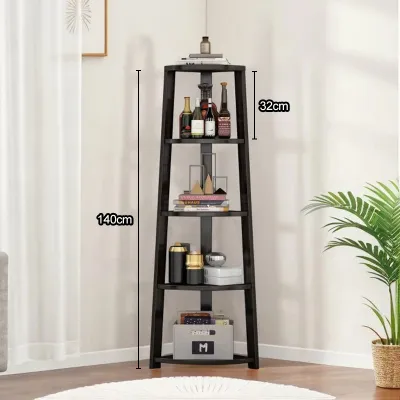
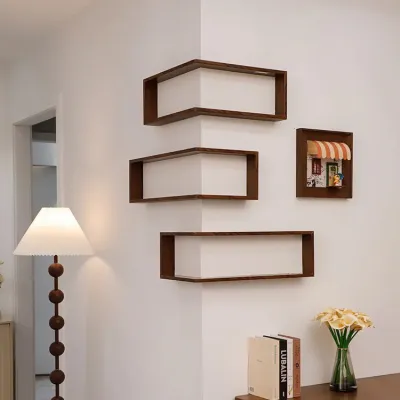
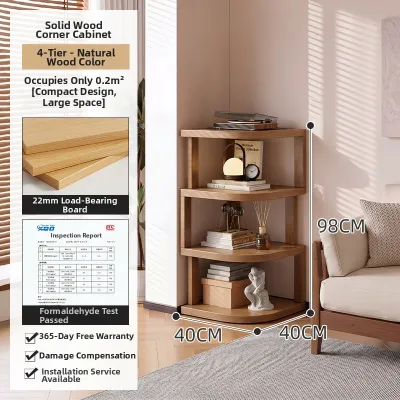
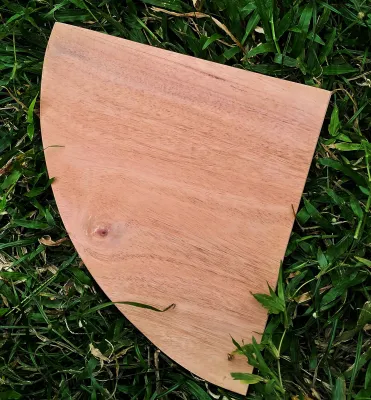
Prices are valid at publication and may change. Please refer to the product page for the latest price.
Space Planning: Dimensions, Corner Fit, and Delivery Access
Before purchasing any wood corner unit, precise space planning is essential to prevent installation headaches. Begin by measuring the available floor space along both walls that form the corner, as well as the total ceiling height. While most manufactured corner shelves are designed for a standard 90-degree angle, older homes or custom-built rooms in the Philippines may have slightly irregular wall angles that can prevent a pre-fabricated shelf from sitting completely flush.

Another critical detail often overlooked is baseboard and wall trim interference. Standard baseboards project outward from the wall, which can prevent a flat-backed shelf from sliding fully into the corner, leaving an awkward gap or causing instability. When browsing options, check the product specifications to see if the unit features a recessed baseboard cutout at the bottom, or plan to select a model that stands slightly forward without compromising its balance.
Finally, plan the physical path the furniture will take from the delivery vehicle to your study room. Measure the clearance heights and widths of all doorways, tight hallway turns, stairwells, and elevator doors. Even if you purchase a flat-pack unit that arrives in boxes, these packages can be exceptionally long and heavy; verifying these dimensions beforehand ensures you can safely transport the components to their final assembly destination.
Load Capacity and Stability for Books and Study Gear
A study room shelf must be built to withstand the substantial weight of reference books, binders, and heavy academic gear. Never estimate a shelf’s strength based purely on visual thickness or the type of wood advertised. Instead, consult the manufacturer’s official product manual or specification sheet to verify the exact load capacity per shelf, as well as the maximum weight limit for the entire unit.
The physical span of the shelf directly influences its susceptibility to sagging under load. Wider, open-span shelves are more prone to bowing over time when loaded with heavy textbooks compared to narrower, more compact corner designs. If you require wider shelving, look for models that incorporate vertical center supports or thicker structural boards to distribute the weight evenly and preserve the integrity of the wood.
Stability is paramount, particularly for tall, vertical structures that can become top-heavy. To prevent dangerous tip-over accidents, always check if the manufacturer includes a dedicated anti-tip hardware kit, such as wall anchors or safety straps. Securing the unit to the wall is highly recommended for tall corner units, especially in active households with children or pets who might climb or pull on the shelves.
Additionally, evaluate the stability of your study room floor. Slight imperfections or unevenness in flooring can cause a tall wooden shelf to wobble or lean away from the wall. Choosing a unit equipped with adjustable leveling feet allows you to compensate for uneven surfaces, ensuring the shelf remains perfectly upright and stable.
Adjustability and Desk Integration for Daily Workflow
A functional study room relies on a smooth workflow, meaning your wood corner shelf should complement your daily habits rather than obstruct them. Look for units that feature adjustable shelf heights, typically supported by pre-drilled peg holes along the inner frame. This adjustability allows you to customize the vertical spacing, making it easy to store tall binders, display monitors, or tuck away smaller paperbacks without wasting valuable vertical space.
If you plan to pair your corner shelf with a desk, pay close attention to spatial clearance and layout compatibility. When placing a shelf adjacent to a standard or L-shaped desk, ensure that the unit’s depth does not block your desk drawers from opening fully or restrict your office chair’s range of motion. The transition between the desk surface and the shelf should feel seamless, keeping your frequently used reference books within arm’s reach.
Modern study rooms are filled with electronic devices, which makes cable management a vital design feature. Search for wooden corner shelves that feature built-in cable grommets, rear cutouts, or an open-back design. These features allow you to route power strips, laptop chargers, and desk lamp cords neatly behind the unit, keeping your workspace clutter-free and preventing wire damage.
Finally, consider the clearance of the bottom shelf if the unit is designed to sit directly next to your primary seating area. If you intend to slide a study chair partially under the corner structure or use the lower section to house a PC tower, verify that the open space is wide and tall enough. Proper lower clearance prevents accidental kicks and protects both your computer hardware and the wooden finish from scuffs.
Wood Materials and Finishes: Checking Specs for Humid Climates
In humid tropical climates like the Philippines, selecting the right wood material and surface finish is crucial to ensure the longevity of your furniture. While solid wood offers classic appeal and structural strength, it can be susceptible to expansion and contraction under shifting humidity levels. Engineered woods, such as medium-density fiberboard (MDF) or high-quality particleboard, are often more dimensionally stable in humid conditions but must be fully sealed to prevent moisture absorption. Always check the manufacturer’s product specifications for the exact material composition.
The type of surface treatment applied to the wood is your primary defense against moisture damage and warping. Rather than assuming a specific wood species is naturally immune to humidity, look for manufacturer labels that explicitly mention moisture-resistant coatings, protective laminates, or polyurethane sealants. These protective barriers help prevent ambient humidity from penetrating the core fibers, reducing the risk of swelling, mold growth, or peeling veneers.
When budgeting for a sturdy unit in the Philippines, high-quality engineered options with moisture-resistant laminates often fall into a more accessible price band compared to imported solid hardwood. Regardless of the material, proper routine care and maintenance will keep your wood corner shelf looking its best for years. Dust the surfaces regularly using a dry or slightly damp microfiber cloth to prevent dirt buildup. Avoid using harsh chemical cleaners or abrasive polishes, which can strip away the protective sealant. Additionally, try to position the shelf away from direct sunlight streaming through windows, as prolonged UV exposure can cause the wood finish to fade, discolor, or dry out prematurely.
Frequently Asked Questions (FAQ)
Can I place a wooden corner shelf directly against a wall with baseboards?
Many freestanding wooden corner shelves will leave a small gap at the back if they are placed against walls with prominent baseboards. This gap can affect the aesthetic appeal and, in some cases, slightly reduce the stability of the unit. To avoid this, check the product’s detailed dimensions and design drawings to see if it includes a pre-cut baseboard recess at the bottom of the rear panels.
If a completely flush fit is required for structural stability or visual neatness, you have a few practical options. You can choose to carefully remove a small section of the baseboard behind where the shelf will stand, or select a wall-mounted floating corner shelf instead. Alternatively, some freestanding models can be safely secured using adjustable wall brackets that bridge the gap caused by the baseboard.
How do I prevent a tall corner bookshelf from tipping over?
To guarantee safety in your study room, always install the anti-tip kit provided by the manufacturer. These kits typically include heavy-duty straps or brackets designed to secure the top of the shelf directly to the wall. For the most secure hold, anchor the hardware directly into a wall stud or use heavy-duty masonry anchors if you are mounting into concrete or brick walls, rather than relying on standard drywall anchors alone.
You can also improve the physical stability of the shelf through strategic item placement. Always place your heaviest items, such as large reference encyclopedias, heavy textbook binders, or storage boxes, on the bottom shelves. This lowers the unit’s overall center of gravity, making it significantly less likely to tip forward and ensuring a safer environment for everyone in the home.

Community discussion
Share your experience or ask a question. Comments are reviewed before publication.