
Keeping your wardrobe organized in a tropical climate like the Philippines presents unique challenges. High humidity can cause clothes to feel damp, while cluttered drawers make it difficult to find what you need quickly, leading to messy piles and forgotten garments. Wooden dresser organizers offer an elegant, structured solution to this daily frustration. By dividing your drawer space into dedicated compartments, these organizers keep your t-shirts, undergarments, and accessories neatly separated, visible, and well-ventilated.
However, finding the right wooden inserts requires more than just picking a style that looks appealing online. You must consider the precise dimensions of your furniture, the specific types of clothing you store, and how different wood species and finishes react to local environmental conditions. This guide provides a comprehensive framework to help you measure your drawers, evaluate materials, and select the ideal wooden organizers to transform your storage space.
Assessing Your Drawer Dimensions and Storage Needs
Before browsing online marketplaces for wooden organizers, you must gather accurate measurements of your existing dresser drawers. Many homeowners make the mistake of measuring only the exterior drawer face, which is often significantly larger than the actual storage box inside. To get precise measurements, pull the drawer out completely and use a metal measuring tape to record the internal width, internal depth from front to back, and internal height of the drawer sides. Pay close attention to any hardware, such as side-mounted drawer slides, protruding screw heads, or thick back panels, which can reduce the usable internal width by several millimeters. It is always safest to subtract a small clearance margin of about five millimeters from your final measurements to ensure the organizers slide in and out without scraping the drawer walls.
Products mentioned in this guide
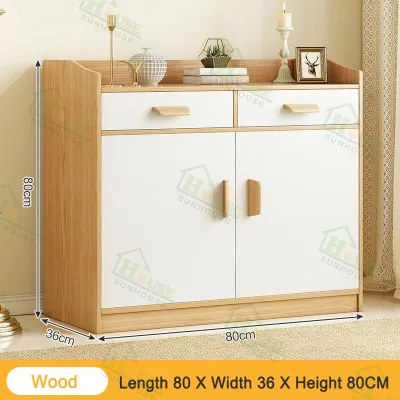
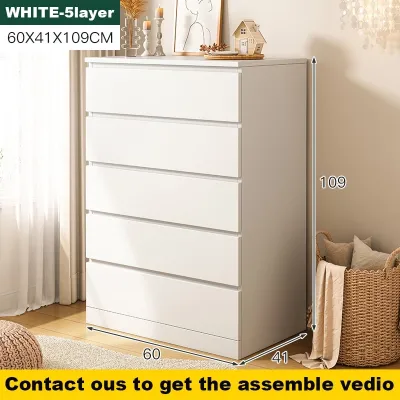

Prices are valid at publication and may change. Please refer to the product page for the latest price.
Once you have your exact dimensions, categorize the clothing items you plan to store in each drawer. Different garments require different compartment configurations to remain neat. For instance, small, delicate items like socks, underwear, and handkerchiefs are best organized using small, fixed-grid compartments that prevent them from rolling into a single messy pile. On the other hand, folded t-shirts, activewear, and light sweaters require wider, deeper sections where they can be stacked vertically or filed using the KonMari method. If you prefer to roll your clothes, you will need long, narrow channels. Matching the organizer’s compartment size to your specific folding habits ensures that no space is wasted and that your clothes remain upright and accessible.
Finally, consider the structural integrity and weight capacity of your dresser drawers. Wooden organizers, especially those made from solid hardwoods, add a noticeable amount of weight to the drawer even before you place any clothes inside. Examine the bottom panel of your drawer; budget dressers often use thin plywood or hardboard bottoms that can sag or pop out of their grooves under heavy loads. If your drawer bottoms are thin, opt for lightweight wooden organizers, such as those made from thin bamboo, and avoid overloading them with heavy denim or thick sweaters. Ensuring that the combined weight of the organizer and your clothing does not exceed the drawer’s capacity will prevent the drawer slides from warping or sticking over time.
Evaluating Wooden Organizer Designs and Configurations
Wooden drawer organizers come in several distinct designs, each offering unique advantages depending on your wardrobe and organizational goals. Fixed-grid boxes feature permanent dividers glued or slotted into place, providing maximum stability and a clean, uniform look. These are highly effective for organizing small, uniform items that do not change in size over time. However, if you want the flexibility to reorganize your drawers as the seasons change or as your wardrobe evolves, modular or adjustable wooden dividers are a superior choice. Adjustable dividers often feature spring-loaded tension mechanisms or slot-and-groove systems that allow you to customize the compartment sizes on the fly, making them highly adaptable for shifting from lightweight summer wear to bulkier rainy-season clothing.

When evaluating any wooden organizer, the quality of the craftsmanship is paramount to protecting your clothing from damage. Run your fingers along all the edges, corners, and internal dividers of the product. The wood must be sanded perfectly smooth, with rounded corners and no rough patches, splinters, or sharp edges. Rough wood can easily snag delicate fabrics like silk, satin, lace, or fine knits, causing irreversible runs and tears in your favorite garments. Additionally, inspect the joints where the dividers meet the outer frame. High-quality organizers utilize sturdy joinery, such as dovetail joints or precise tongue-and-groove slots, which hold up well under daily use, whereas cheap organizers held together solely by weak glue or small staples can easily fall apart when packed tightly with clothes.
Another design consideration is whether to choose open-top organizers or lidded, stackable wooden boxes. Open-top designs are the most practical for daily-use drawers because they provide immediate visibility and allow you to grab what you need in seconds. They work best in standard-depth drawers where items are accessed frequently. In contrast, lidded or stackable wooden boxes are excellent for deep drawers or for storing seasonal items, formal wear, or delicate accessories that you do not wear every day. The lids protect your garments from dust and pests, while the stackable design allows you to utilize the full vertical height of deep drawers without creating a cluttered, inaccessible pile at the bottom.
Sizing and Fit: Navigating Standard Drawer Depths
Achieving a perfect fit requires careful attention to vertical clearance and modular planning. One of the most common issues homeowners face is purchasing an organizer that matches the drawer’s internal height but prevents the drawer from closing. This happens because the vertical clearance—the space between the top edge of the drawer side and the bottom of the dresser frame directly above it—is often smaller than the drawer’s internal depth. To avoid this, measure the clearance height while the drawer is partially open. Your wooden organizer should sit at least one to two centimeters below this clearance line. This gap ensures that even if a piece of clothing shifts or sits slightly higher than the organizer’s edge, the drawer will still glide open and closed smoothly without catching or jamming.
Because dresser drawers come in a wide variety of shapes and sizes, a single pre-made wooden organizer rarely fits the entire space perfectly. To maximize your storage, you should plan modular combinations of different-sized inserts. For example, if you have a wide drawer, you can place a large grid organizer for underwear on one side, a medium open box for folded shirts in the middle, and a set of narrow dividers for belts and accessories on the other. When planning these combinations, calculate the total width and depth of the inserts to ensure they fit snugly together. Leaving large, unplanned gaps can cause the organizers to slide around every time you pull the drawer open, which can damage both the inserts and the drawer’s interior finish.
When shopping on online marketplaces, always verify the exact product dimensions listed in the specifications rather than relying on descriptive terms like “standard,” “small,” or “large.” Different manufacturers have different definitions of these sizes. Look for detailed diagrams or text listings that provide the outer dimensions (length, width, and height) in centimeters or millimeters. Keep in mind that the outer dimensions of a wooden organizer are larger than its internal compartment dimensions due to the thickness of the wooden walls. If you have a very tight space, factor in the wall thickness of the organizer to ensure your folded clothes will actually fit inside the individual compartments.
Wood Materials and Finishes: What to Verify Before Purchase
The type of wood and the finish used on your drawer organizers play a critical role in their durability, safety, and performance in your home. Bamboo is one of the most popular materials for drawer organizers because it is lightweight, highly sustainable, and naturally stable. It resists warping better than many softwoods when exposed to minor temperature fluctuations. Solid hardwoods, such as rubberwood, acacia, or pine, offer a beautiful natural grain, a satisfying weight, and excellent long-term durability, making them ideal for high-end dressers. Engineered wood, such as MDF (medium-density fiberboard) or plywood with a wood veneer, is a budget-friendly alternative that provides the look of real wood, but it must be inspected carefully to ensure the edges are fully sealed to prevent moisture absorption.
The finish applied to the wood is just as important as the wood itself, especially since these organizers will be in direct, prolonged contact with your clothing. Raw, untreated wood is highly porous; it can absorb natural body oils from your clothes, trap dust, and absorb ambient moisture, which can lead to staining and unpleasant odors. Look for organizers that are treated with non-toxic, low-VOC (volatile organic compound) finishes, water-based varnishes, or natural food-safe oils like linseed or beeswax. These finishes seal the wood pores, creating a smooth, protective barrier that prevents the wood from drying out or splintering while ensuring that no harmful chemical fumes or artificial scents transfer onto your clean garments.
In the tropical climate of the Philippines, high relative humidity is a constant factor that can severely affect wooden furniture. Excess moisture in the air can cause unsealed wood to swell, warp, or become a breeding ground for mold and mildew, which can ruin both the organizer and your clothes. When selecting wooden inserts, verify that they have been treated with a moisture-resistant sealant or a protective clear coat. Pay close attention to the bottom panel and the joints, as these are the areas where moisture is most likely to accumulate. If you live in a particularly humid region or do not use air conditioning regularly, choosing high-quality, sealed bamboo or well-varnished solid wood is essential to prevent mold growth and preserve your wardrobe.
Shopping Online: Verifying Listings and Seller Reliability
Purchasing wooden drawer organizers online offers convenience and a wide selection, but it also requires a cautious approach to ensure you receive a high-quality product. Because you cannot physically touch or measure the items before buying, you must rely on the information provided in the listing and the experiences of previous buyers. Start by cross-referencing the seller’s stated dimensions with customer-submitted photos in the review section. Look for reviews that show the organizers placed inside actual dresser drawers next to recognizable items like t-shirts or socks. This visual reference is incredibly helpful for verifying if the scale of the product matches the listing descriptions and if the compartments are as spacious as they appear in promotional images.
When comparing options, look at the total cost in ‛ across different sellers, keeping in mind that the lowest price is not always the best value. Wooden items are relatively heavy and bulky, which can significantly increase shipping fees depending on your location. Be wary of listings that seem unusually cheap, as they may use thin, low-grade engineered wood that is prone to splitting, or they may lack a proper protective finish. Additionally, check the seller’s packaging policies or read reviews to see how the items are shipped. Wood can easily dent, crack, or warp if it is not packaged securely with sufficient bubble wrap and sturdy outer boxes to withstand transit through local sorting facilities.
Take the time to read recent customer reviews thoroughly, focusing on feedback regarding product quality and condition upon arrival. Look for any mentions of strong chemical odors, musty smells, or visible mold, which can indicate that the organizers were stored in a damp warehouse or finished with low-quality varnishes. Check for complaints about warped panels, loose joints, or missing hardware in the case of adjustable dividers. A reliable seller will have a high rating and a history of positive feedback specifically praising the smoothness of the wood finish, the sturdiness of the construction, and the accuracy of the product dimensions.
Caring for and Maintaining Wooden Drawer Inserts
To ensure your wooden drawer organizers remain in excellent condition and continue to protect your clothing, you must establish a routine maintenance schedule. Dust can accumulate in the corners of the compartments over time, so it is important to empty the organizers and dust them regularly. When cleaning, use a dry, soft microfiber cloth to wipe away dust and lint. If the wood requires a deeper clean, use a slightly damp cloth to wipe the surfaces, but avoid soaking the wood or allowing water to pool in the joints or corners. Always dry the organizer immediately with a clean towel and let it air out completely in a well-ventilated room before placing it back inside the drawer and restocking your clothes.
Periodically inspect your wooden inserts for any signs of wear, damage, or environmental stress. Check the joints to ensure they remain tight and stable, and look closely for any protruding nails, staples, or newly formed splinters that could catch on delicate fabrics. If you discover a rough patch, you can easily fix it by gently sanding the area with fine-grit sandpaper in the direction of the wood grain, then wiping away all the dust with a damp cloth. Keeping an eye out for these minor issues prevents them from turning into major problems that could ruin expensive garments.
Depending on the type of wood and the manufacturer’s guidelines, you may occasionally need to reapply a protective finish to keep the wood from drying out or cracking. Only apply wood conditioners, mineral oils, or natural beeswax if the care instructions explicitly recommend doing so. If you do apply a conditioner, use a very small amount and buff it thoroughly into the wood. It is crucial to let the organizer dry and cure completely in a well-ventilated, shaded area for several days before returning it to the drawer. This ensures that the oil is fully absorbed and will not transfer onto your clean clothes, leaving greasy stains on your favorite shirts.
Frequently Asked Questions (FAQ)
Can I use wooden organizers in drawers without a liner?
While you can place wooden organizers directly onto the bare bottom of your dresser drawers, using a drawer liner is highly recommended for several reasons. A high-quality, non-slip liner acts as a protective barrier, preventing the hard wooden base of the organizer from scratching or scuffing the interior finish of your dresser over time. Furthermore, because wooden organizers can be lightweight, they may slide or shift around inside the drawer when you pull it open or push it closed quickly. A textured, non-slip liner keeps the inserts firmly in place, ensuring your carefully organized clothes do not get jostled or disorganized during daily use.
How do I remove musty odors from new wooden organizers?
New wooden organizers can sometimes arrive with a strong natural wood scent, a musty smell from storage, or a chemical odor from the manufacturing process. To eliminate these odors safely without damaging the wood, place the organizers in a well-ventilated, shaded outdoor area or a room with active airflow for a few days. Never leave them in direct sunlight, as intense heat and UV rays can cause the wood to warp, crack, or fade. To speed up the deodorizing process, you can place small bowls of baking soda, activated charcoal, or dry coffee grounds inside the empty compartments for a few days to absorb any lingering odors before storing your clothes.

Community discussion
Share your experience or ask a question. Comments are reviewed before publication.