
Finding a wooden folding dining table that comfortably accommodates 6 to 10 people in the Philippines requires balancing space-saving flexibility with robust structural integrity. Because large family gatherings are central to Filipino home life, a dining table must transition seamlessly from a compact daily footprint to an expansive hosting surface. The ideal choice depends on verifying the extension mechanism, measuring your specific room clearance, and checking the wood’s resistance to tropical humidity.
When shopping for a large-capacity table, you will quickly find that standard fixed tables take up too much precious floor space in modern townhouses or condominiums. A folding or extendable wooden table solves this dilemma by offering adaptable seating configurations. To make an investment that lasts for years, you must look beyond aesthetics and evaluate the table’s hardware, material composition, and base stability under full load.
Table Configurations That Seat 6 to 10 People
Selecting the right folding mechanism determines how easily you can transition your dining room from a quiet family space to a bustling feast. Different designs offer distinct advantages in terms of seating capacity, storage, and structural support.
Products mentioned in this guide
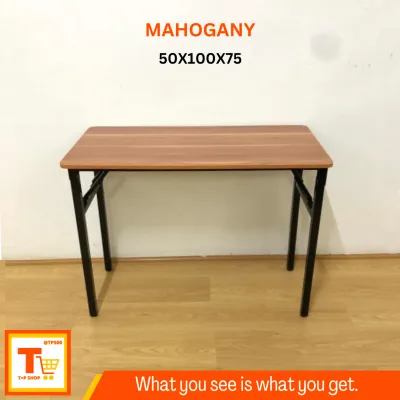
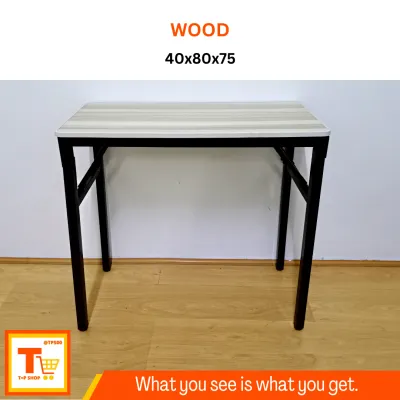
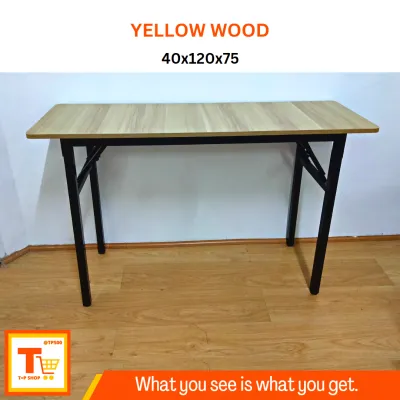
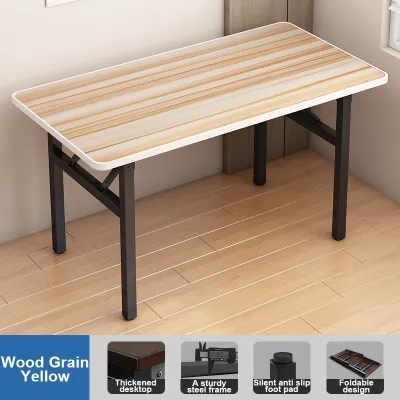
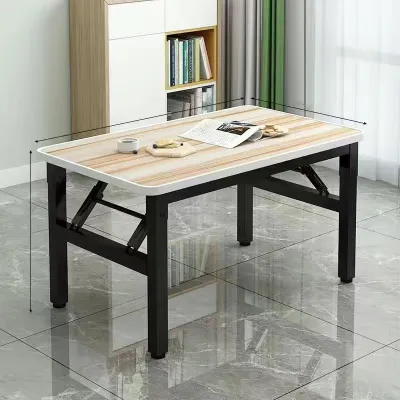
Prices are valid at publication and may change. Please refer to the product page for the latest price.
Drop-leaf tables feature hinged panels on one or both sides that hang vertically when collapsed. To extend the table, you lift these leaves and slide support brackets or legs underneath. This configuration is highly efficient for narrow spaces, as you can place the collapsed table against a wall to serve as a console, then pull it out and lift both leaves to seat up to 6 or 8 people. However, because the extended leaves rely on cantilevered supports, they may have lower weight capacities at the far edges compared to other designs.
Butterfly extension tables utilize a hidden leaf stored in a compartment beneath the tabletop. When you pull the two halves of the table apart, the leaf unfolds like wings and locks into place. This design is exceptionally clean and seamless, keeping the extension leaf protected from dust and damage when not in use. A butterfly table can easily expand from a comfortable 6-seater to a spacious 8- or 10-seater without requiring extra storage space in your closets for loose parts.
Removable center leaf tables require you to pull the table frame apart and manually insert one or two separate wooden panels. While this traditional design is incredibly sturdy because the main frame supports the insert, you must find a safe, dry place to store the extra leaves when they are not in use. This can be a challenge in smaller homes where storage space is already limited.
It is crucial to distinguish between lightweight utility folding tables and heavy-duty extendable solid wood dining tables. Utility tables with metal legs and thin wood-grain tops are excellent for temporary outdoor use or quick buffet setups, but they lack the stability and aesthetic appeal required for a permanent dining room centerpiece. For daily family dining, a dedicated extendable wooden table with integrated wooden legs and robust joinery offers the necessary durability and style.
Critical Space and Clearance Checks Before Buying
Before purchasing a table designed for 10 people, you must verify that your dining area can actually accommodate the fully expanded furniture piece while allowing your guests to move comfortably.

To calculate the required floor space, start by measuring the length and width of your dining room. A table fully extended to seat 10 people typically requires a length of at least 240 to 300 centimeters. In addition to the table’s physical dimensions, you must leave a minimum of 90 centimeters of clearance on all sides. This clearance ensures that guests can pull their chairs out, sit down, and stand up without bumping into walls, sideboards, or other furniture.
Next, calculate the personal space required per diner to ensure your family does not feel cramped. A comfortable dining experience requires approximately 60 to 75 centimeters of table width per person. If you plan to seat people at the ends of the table, ensure the table legs are set back far enough to allow those guests to tuck their knees in comfortably. If the table legs are positioned at the very corners, seating capacity is strictly limited by the distance between the legs.
Do not overlook the logistics of getting the table into your home. Large wooden tables, even when folded or disassembled, can be incredibly heavy and bulky. Measure the width and height of your front door, hallway corners, stairwells, and elevator doors. If you live in a high-rise condominium, check the building’s service elevator dimensions against the packaged product dimensions provided by the manufacturer. Knowing whether the table arrives fully assembled or flat-packed will help you plan for a smooth delivery and assembly process.
Evaluating Wood Materials and Structural Stability
The longevity of your dining table depends heavily on the materials used in its construction and the engineering of its support base.
When reviewing product specifications, distinguish between solid hardwood and engineered wood with veneers. Solid hardwoods like acacia, mahogany, and tanguile are highly sought after in the Philippines for their natural beauty, strength, and ability to be refinished over time. However, solid wood is responsive to environmental changes and can be heavy. Engineered wood, such as high-density fiberboard (HDF) or marine plywood topped with real wood veneer, offers excellent dimensional stability, meaning it is less likely to warp or split in response to seasonal humidity changes. Ensure any engineered wood option features high-quality edge banding to prevent moisture from penetrating the core.
Inspect the design of the table’s base and legs. A table that extends to seat 10 people requires a highly stable foundation to prevent sagging in the middle. Look for designs where the legs slide outward to the ends of the table as it expands, rather than remaining fixed in the center. This outward movement ensures that the weight of the extended tabletop is always supported directly by the legs, minimizing the risk of tipping if someone leans heavily on the edge.
Always check the manufacturer’s stated weight capacity for the table, especially when fully extended. A large family feast with heavy serving platters, clay pots, and dinnerware can put significant stress on the center of the table. Look for structural reinforcements such as corner blocks, mortise-and-tenon joinery, and steel reinforcement brackets. Avoid tables that rely solely on simple wood screws to hold critical load-bearing joints together.
Mechanisms, Hardware, and Ease of Use
A folding table is only as good as its moving parts. High-quality hardware ensures that extending your table is a smooth, safe, and simple process rather than a frustrating chore.
When evaluating a table in a showroom or reading online specifications, pay close attention to the extension tracks and hinges. Look for smooth, heavy-duty metal glides—ideally with ball-bearing slides—that allow the table halves to pull apart with minimal friction. For drop-leaf tables, inspect the hinges connecting the leaves to the main top. These hinges should be made of thick brass or stainless steel and recessed flush with the wood surface to prevent snagging on tablecloths or clothing.
Consider the physical effort required to operate the table. Solid wood leaves can be surprisingly heavy. If you choose a butterfly extension or a removable leaf design, ensure that you can comfortably lift, swing, or slide the components into place without straining your back. Some premium tables feature synchronized glides, where pulling one end of the table automatically opens the other end, making the setup process much easier for a single person.
Safety features are paramount, especially in households with active children or elderly family members. Look for secure locking pins or latches underneath the tabletop that lock the leaves firmly in place when both collapsed and extended. These locks prevent the table from sliding open accidentally during a meal. Additionally, high-quality drop-leaf tables often feature anti-slam dampeners or support arms that lock automatically when lifted, preventing the heavy wooden leaves from falling unexpectedly.
Care, Maintenance, and Longevity Checks
Maintaining a wooden folding table in the tropical climate of the the Philippines requires specific care to protect the wood and keep the mechanical parts functioning smoothly.
The combination of high humidity during the rainy season and dry heat during the summer can cause wood to expand and contract. This natural movement can lead to sticking joints or misaligned extension tracks. To minimize this, avoid placing your wooden table directly under air conditioning vents, where rapid temperature changes occur, or in direct sunlight, which can dry out the wood and fade the finish. Maintain a relatively consistent indoor environment whenever possible.
Follow the manufacturer’s specific care instructions for cleaning and surface protection. Use a soft, slightly damp microfiber cloth to wipe away dust and spills immediately. Avoid using harsh chemical cleaners, ammonia, or abrasive polishes that can strip away the protective lacquer or polyurethane finish. Periodically inspect the metal extension tracks and hinges; apply a small amount of silicone-based lubricant to the tracks to keep them sliding smoothly and prevent rust from forming in humid conditions.
Regularly check the structural integrity of your table. Once or twice a year, crawl underneath to inspect the hardware, tightening any bolts or screws that may have loosened from regular folding and unfolding. If you notice deep structural cracks in the wood, severe warping that prevents the extension mechanism from locking, or damaged hardware that compromises stability, stop using the table immediately. In such cases, consult a professional carpenter or furniture restorer to repair the joints and ensure the table remains safe for your family gatherings.
Frequently Asked Questions (FAQ)
Can a folding wooden table safely hold heavy dishes for a large family feast?
Yes, a high-quality wooden folding table can safely support a large family feast, provided you adhere to the manufacturer’s specified weight limits and distribute the weight evenly across the surface. Avoid placing exceptionally heavy items, such as large cast-iron pots or heavy ceramic serving bowls, on the unsupported edges of drop-leaf tables. For tables that extend to seat 10 people, ensure that any integrated center support legs are fully deployed and resting flat on the floor to distribute the load safely.
How do I prevent the wood from warping in a humid environment?
To prevent wood warping in a humid tropical climate, choose a table made from properly kiln-dried solid wood or high-quality engineered wood with a protective veneer. Keep the table away from sources of moisture, direct sunlight, and direct drafts from air conditioning units. Ensure the wood is sealed with a durable, moisture-resistant finish like polyurethane or lacquer, and clean up liquid spills immediately. Always follow the manufacturer’s recommended care guidelines to preserve the protective seal on the wood.

Community discussion
Share your experience or ask a question. Comments are reviewed before publication.