
Finding the ideal wooden wall shelves for a home study in the Philippines requires balancing aesthetic warmth with structural practicality. In a tropical climate characterized by high humidity and seasonal temperature shifts, selecting a wall rack shelf wood involves more than just picking an attractive design. The right shelving must support your books, reference materials, and devices while resisting moisture-related warping and staying securely anchored to your specific wall type. By focusing on material specifications, mounting hardware, and spatial dimensions, you can create an organized, clutter-free workspace that enhances productivity and stands the test of time.
Assessing Your Home Study Space and Storage Needs
Before browsing online marketplaces or visiting local furniture showrooms, you must thoroughly evaluate the physical boundaries of your study room. Begin by measuring the available wall area with a reliable tape measure. It is essential to account for clearances around windows, doorways, light switches, and existing furniture. For instance, a shelf placed too close to an active workspace might obstruct your movement when you stand up or adjust your office chair. Ensure you map out the vertical and horizontal limits of the wall to visualize how the shelves will integrate into the room without making the space feel cramped.
Next, categorize the items you plan to store or display. Heavy textbooks, binders, and professional manuals require deep shelves with robust structural support, whereas lightweight decorative items, small desk plants, or framed certificates can sit on shallower surfaces. Estimating the depth of your largest books will prevent you from purchasing shelves that are too narrow, which can cause items to overhang dangerously. Grouping your items by weight also helps you determine how many support brackets you will need and how to distribute the load evenly across the wall.
Products mentioned in this guide
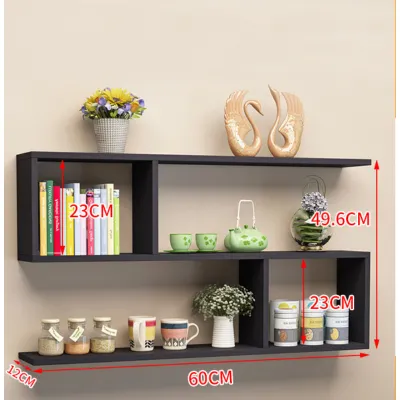
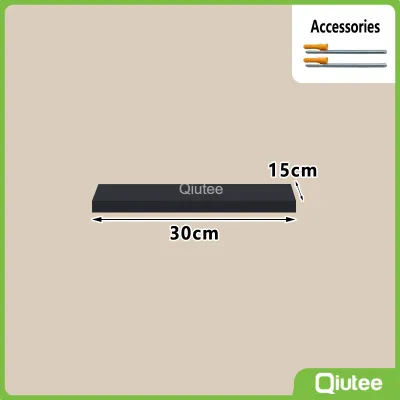
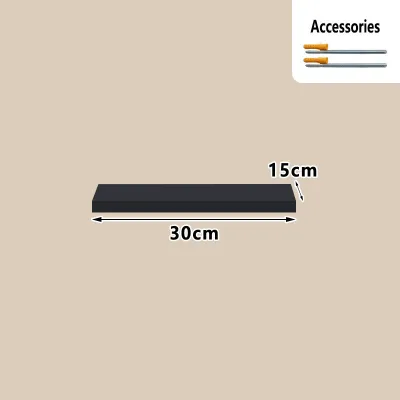
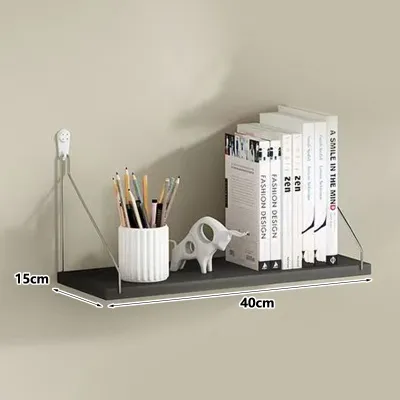

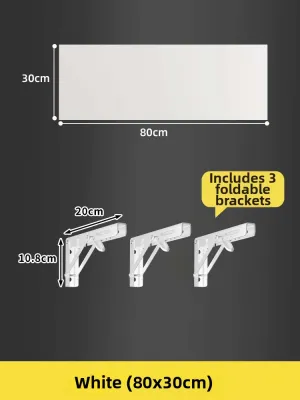
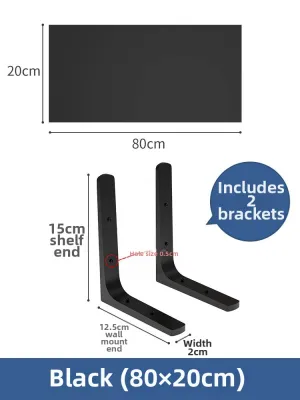
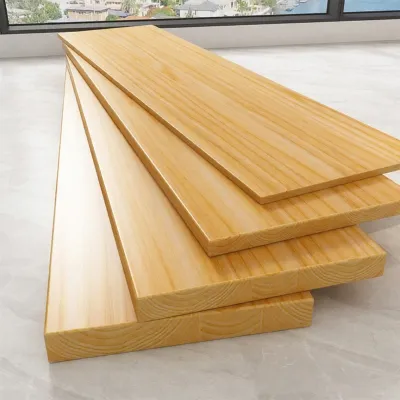
Prices are valid at publication and may change. Please refer to the product page for the latest price.
Finally, identify the composition of your study’s walls. In many Philippine homes, walls are constructed from solid concrete or hollow concrete blocks, though some modern partitions use drywall or fiber cement boards. This distinction is critical because it dictates the type of mounting hardware and tools you will need. Concrete walls offer excellent load-bearing capacity but require a masonry drill bit and heavy-duty wall plugs. Drywall, on the other hand, requires specialized hollow-wall anchors or toggle bolts, and heavy loads must ideally be anchored directly into the wooden or metal studs behind the wall board.
Key Selection Criteria for Wooden Wall Shelves
When comparing different wooden wall shelves, the design and mounting mechanism play a pivotal role in both visual appeal and structural performance. Floating shelves, which feature hidden internal brackets, offer a clean, minimalist look that suits modern home offices. However, because they rely on internal metal prongs inserted into the rear of the wood, their weight capacity is generally lower than shelves supported by visible brackets. If you plan to store heavy reference volumes, shelves with visible L-brackets, triangular wooden corbels, or vertical metal tracks are often more reliable because they distribute the downward force over a larger wall surface area.

The dimensional proportions of the shelf also affect its durability and visual balance. A thin wooden board may look sleek, but it is highly susceptible to sagging under moderate weight over time. For heavy-duty study storage, look for thicker boards that offer greater resistance to bending. Additionally, consider the ratio between the shelf’s depth and its thickness; a very deep shelf requires a correspondingly thick board and robust brackets to prevent the front edge from dipping under load.
Safety and maintenance are equally important when evaluating shelf designs. Inspect the edge treatments of the wooden boards before purchasing. Rounded corners are highly recommended, especially in tight study spaces where you might accidentally bump into the shelf edges. Furthermore, ensure the surface finish is smooth and completely sealed. Rough, unsealed wood can snag paper documents, trap dust, and absorb moisture from the air, making it difficult to wipe clean during your regular household chores.
Wood Materials and Finishes: What to Check on the Label
Understanding the differences between wood materials is crucial for selecting a shelf that can withstand the local climate. Solid wood, such as mahogany, acacia, or pine, is highly valued for its natural grain patterns and structural strength. When reviewing product labels, check if the solid wood has been kiln-dried. Kiln drying removes excess moisture from the timber, which significantly reduces the risk of the wood warping, cracking, or shrinking when exposed to the humid conditions common in the Philippines.
Engineered wood products, including Medium-Density Fiberboard (MDF) and particleboard, are popular, budget-friendly alternatives. While engineered boards are highly uniform and less prone to natural warping, they are sensitive to moisture. If you choose engineered wood, inspect the product specifications to ensure it features a high-quality protective laminate, such as melamine or a real wood veneer. This outer layer acts as a barrier against ambient humidity, preventing the inner fibers from swelling and losing their structural integrity.
The type of surface coating applied to the shelf determines its long-term resistance to wear and tear. Polyurethane and lacquer finishes provide a hard, protective shell that resists scratches and moisture, making them excellent choices for busy workspaces. Natural oil or wax finishes offer a matte, organic look but require periodic reapplication to maintain their protective qualities. Always check the manufacturer’s care instructions to verify which cleaning agents are safe to use, and avoid harsh chemical solvents that can strip away the protective topcoat.
Installation, Weight Capacity, and Safety Checks
Ensuring the safety of your home study setup requires a strict adherence to weight limits and proper installation techniques. Always cross-reference the manufacturer’s stated maximum load capacity with the actual weight of the items you intend to store. Keep in mind that these weight ratings are typically based on an evenly distributed load. If you concentrate heavy items in the center of a shelf, you risk overloading the structure even if the total weight is technically below the maximum limit. Place your heaviest books closest to the wall brackets to minimize leverage and strain on the mounting hardware.
Do not assume that the mounting hardware included in the product packaging is suitable for your specific wall type. Many imported flat-pack shelves come with standard plastic wall plugs designed for solid brick, which may fail if installed in hollow concrete blocks or drywall. Inspect the included screws and anchors, and be prepared to purchase specialized masonry plugs or heavy-duty toggle bolts from a local hardware store if the provided hardware does not match your wall composition. Using the correct anchor is the single most important factor in preventing the shelf from pulling out of the wall.
Proper installation also involves using a spirit level to ensure the shelf is perfectly horizontal. A tilted shelf not only looks unprofessional but also causes items to slide, shifting the center of gravity and putting uneven stress on the brackets. After installation, establish a routine to check the stability of your shelves. Over time, daily vibrations and seasonal humidity changes can cause screws to loosen slightly. Periodically checking the brackets and tightening any loose hardware will ensure your study remains a safe and secure environment.
Building Your Shortlist: Features to Compare Before Buying
As you finalize your choices on local e-commerce platforms or in physical furniture shops, compare the assembly and installation requirements of each option. Fully assembled wooden shelves are convenient but may incur higher shipping fees due to their bulkiness. Flat-pack options are easier to transport and deliver, but they require you to have basic tools, such as a drill, a screwdriver, and a level, along with the time and patience to assemble the pieces correctly. Review the assembly instructions online beforehand to ensure you are comfortable with the process.
Next, carefully examine the seller’s customer service and return policies. Because wood is a natural material, individual pieces can sometimes arrive with minor defects, or hardware components might be missing from flat-pack boxes. Choosing a reputable seller that offers clear return windows, responsive customer support, and warranties on structural defects provides peace of mind. Read customer reviews specifically to check for feedback regarding packaging quality, as robust packaging is essential to prevent wooden corners from chipping during transit.
Finally, balance your ₱ budget against the quality of the materials and hardware. While it is tempting to opt for the lowest-priced option, investing slightly more in high-quality solid wood or well-sealed engineered wood with robust metal brackets pays off in durability and safety. A cheap, poorly supported shelf that sags or falls can damage your expensive books, electronics, or desk setup, ultimately costing more in repairs and replacements. Allocate your budget toward options that offer verified material descriptions and sturdy mounting systems.
Frequently Asked Questions (FAQ)
Can I install floating wooden shelves on drywall?
Yes, you can install floating wooden shelves on drywall, but you must take specific precautions. Standard plastic wall plugs will not hold a floating shelf securely on drywall under load. Instead, you must use specialized drywall anchors, such as metal toggle bolts or self-drilling threaded anchors. For the best stability, locate the wooden or metal studs behind the drywall using a stud finder and screw the mounting bracket directly into them. This ensures the weight of the shelf and its contents is supported by the wall’s structural frame rather than the fragile drywall panel.
How do I prevent wooden shelves from sagging under heavy books?
To prevent sagging, choose thicker wooden boards and ensure the span between your support brackets is not too wide. For standard book storage, brackets should generally be spaced no more than 60 to 80 centimeters apart, depending on the thickness and type of wood. Additionally, practice proper weight distribution by placing your heaviest textbooks and binders directly over or close to the brackets, while keeping lighter items, such as notebooks or decor, in the center of the shelf span.
What is the best way to clean and maintain wood finishes in a dusty study?
The best way to maintain wooden shelves is to dust them regularly with a dry, soft microfiber cloth to prevent abrasive dust particles from scratching the finish. For deeper cleaning, use a slightly damp cloth with a mild, diluted dish soap solution, immediately followed by a dry cloth to remove any residual moisture. Avoid using harsh chemical cleaners, aerosol polishes, or products containing silicone, as they can degrade the protective topcoat over time and leave a sticky residue that attracts more dust.

Community discussion
Share your experience or ask a question. Comments are reviewed before publication.