
Selecting the right container sizes for a move is the difference between a seamless transition and a chaotic, damaged cargo load. When preparing for a lipat bahay in the Philippines, the challenges of tropical humidity, sudden rain showers, and bumpy roads make durable plastic containers like Xingyou storage boxes an excellent alternative to traditional cardboard. However, simply buying the largest boxes available can lead to overloaded, unliftable containers or cracked plastic. To pack efficiently, you must match the volume and weight of your belongings to the specific structural limits of each box size.
Quick Guide to Sizing Storage Boxes for a Move
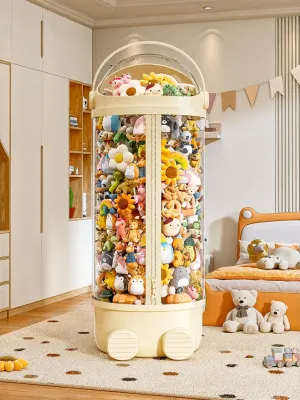
The golden rule of packing is simple yet frequently ignored: heavy items belong in small boxes, while light, voluminous items belong in large boxes. When you pack dense objects like books or kitchenware into a massive container, the cumulative weight quickly becomes unmanageable for a single person to lift, increasing the risk of personal injury or dropping the box entirely. Conversely, placing light items like pillows or plush toys in small containers wastes valuable space and increases the total number of trips required to load the moving truck.
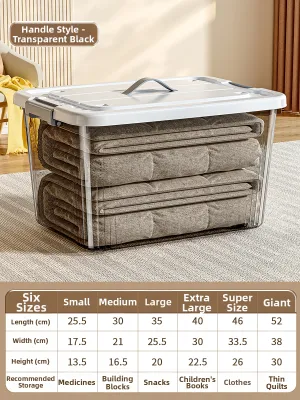
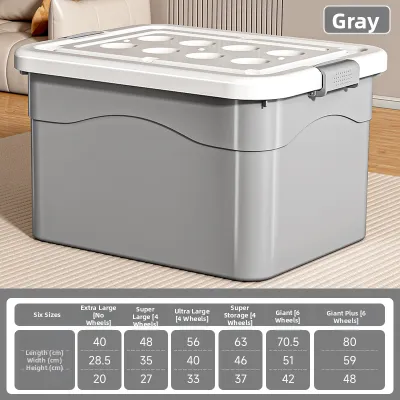
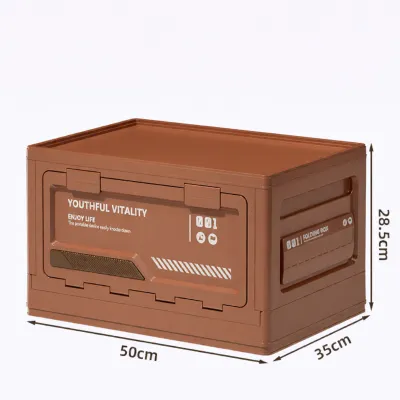
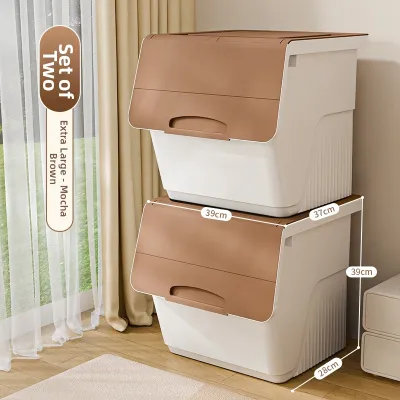
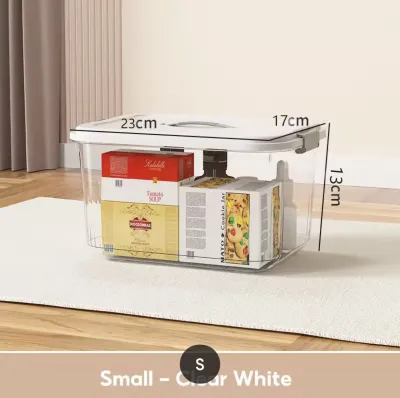
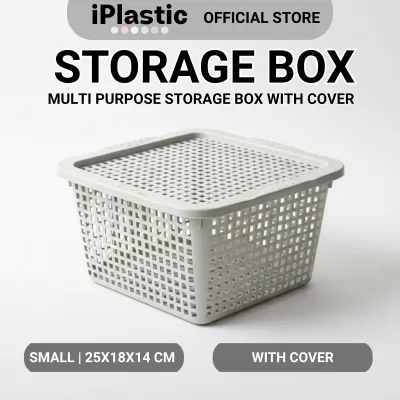
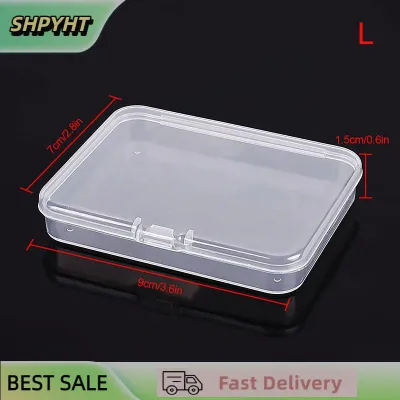
Before purchasing your Xingyou storage boxes from an online marketplace or local home store, it is essential to check the specific liter capacity and physical dimensions listed on the product label. These specifications tell you exactly how much volume the box can hold and help you calculate how many units will fit side-by-side in your transport vehicle. Selecting the correct size prevents the plastic from bowing under pressure, protects your fragile belongings from being crushed, and reduces physical strain during transit.
Products mentioned in this guide
Prices are valid at publication and may change. Please refer to the product page for the latest price.
Matching Xingyou Box Sizes to Specific Item Categories
To pack systematically, you need to evaluate your household goods based on their density—the ratio of their weight to the space they occupy. Grouping your belongings into distinct categories allows you to assign them to the most appropriate box volume. This structured approach ensures that every container is filled to its optimal capacity without exceeding safe weight limits or leaving empty pockets of air that cause items to shift.

Clothes, Linens, and Bedding (Light and Bulky)
For bulky but lightweight items such as winter jackets, blankets, bedsheets, and pillows, you should look for the largest available capacities in the Xingyou product lineup. These voluminous items require maximum space but exert very little downward pressure on the bottom of the container. Using large-capacity boxes allows you to consolidate entire closets or linen cupboards into a single, easily manageable unit, reducing the overall box count for your move.
When selecting these large containers, prioritize transparent or semi-transparent plastic models. This transparency allows you to identify the contents of each box at a glance once you arrive at your new home, saving you from having to open multiple lids just to find a specific set of bedsheets or towels. Additionally, ensure that the box lids seal tightly and latch securely. In the humid climate of the Philippines, a tight seal is crucial for protecting your fabrics from dust, musty odors, and pests during transit and temporary storage.
Kitchenware, Plates, and Fragiles (Medium and Protective)
Kitchenware, ceramic plates, and glassware represent a medium-density category that requires a careful balance of volume and structural protection. Packing these items into oversized boxes is highly risky; the weight of stacked ceramic plates accumulates rapidly, putting immense pressure on the bottom plates and the base of the plastic box itself. Instead, opt for medium-sized containers that limit the total weight to a level that can be safely carried by one person.
When browsing medium-sized Xingyou options, inspect the product descriptions or physical items for reinforced bases and stackable ribs. These structural features distribute weight more evenly and prevent the bottom of the box from sagging when lifted. Furthermore, always leave sufficient physical space within the box’s dimensions to accommodate protective wrapping materials. Every plate, bowl, and glass should be wrapped in bubble wrap or packing paper, and any remaining gaps should be filled with crumpled paper to prevent movement during the bumpy ride to your new home.
Books, Files, and Dense Documents (Heavy and Compact)
Books, legal documents, and school files are among the densest items you will pack during a move. Because paper is incredibly heavy when stacked, you must strictly use the smallest practical Xingyou box sizes for these items. Attempting to pack a large storage box with books will almost certainly result in a container that is too heavy to lift, or worse, cause the plastic handles to snap and the base to crack under the extreme stress.
Before you begin packing your home office or library, verify the manufacturer’s stated maximum load capacity on the product label or online listing. Keep your packed weight well below this limit to ensure the structural integrity of the plastic remains intact. Packing books flat rather than spine-down also helps distribute the weight evenly across the bottom of the small box, minimizing the risk of localized stress fractures in the plastic.
Critical Dimensions and Weight Limits to Verify
A successful move relies on precise measurements, not guesswork. Before purchasing any storage containers, take the time to measure the available space in your transport vehicle, whether you are using a personal car trunk, an SUV, or hiring a local lipat bahay truck. Knowing these dimensions allows you to select box sizes that can be arranged efficiently without leaving awkward, empty spaces that cause cargo to slide around during transit.
When reviewing product specifications, pay close attention to the difference between exterior and interior dimensions. Manufacturers list exterior dimensions to show how much physical space the box occupies, but thick plastic walls, reinforced corners, and recessed handles can significantly reduce the actual interior packing space. If you have specific items of a fixed length, such as long kitchen utensils or legal-sized folders, verify that the interior dimensions can accommodate them without forcing or bending the items.
Additionally, locate the maximum weight capacity rating on the product packaging or the retailer’s specification sheet. This rating is a safety limit determined by the manufacturer and should never be exceeded. Keep in mind that while a box might physically fit a large volume of heavy items, its plastic composition and handle design are only rated for a specific weight. Exceeding this limit can lead to sudden structural failure, potentially damaging your belongings and causing injury to whoever is carrying the box.
Stacking Safety and Transport Optimization
Once your items are packed into the correct box sizes, the next step is organizing them safely inside the moving vehicle. The fundamental rule of stacking is to place the largest, heaviest boxes at the very bottom of the stack and progress to the smaller, lighter containers on top. This arrangement keeps the center of gravity low, preventing the entire stack from tipping over when the vehicle turns corners or travels over uneven roads.
To ensure maximum stability, check if your chosen Xingyou models feature interlocking lids and bases. Many high-quality plastic containers are designed with recessed lids that match the footprint of the base, allowing boxes of the same series to lock together securely when stacked. This interlocking design prevents individual boxes from sliding horizontally during sudden stops.
Finally, aiming for uniform box sizes within specific categories greatly simplifies the loading process. When boxes have identical dimensions, they stack neatly like building blocks, eliminating wasted vertical space in the moving truck. This level of organization not only speeds up the loading and unloading process but also maximizes the efficiency of your transport space, potentially saving you money by reducing the size of the truck you need to hire.
Frequently Asked Questions (FAQ)
Can I use the same Xingyou box size for all my belongings?
Using a single box size for everything is highly inefficient and risky. If you choose only large boxes, you will either overload them with heavy items—leading to broken plastic and potential injury—or waste space by filling them with small, loose items that shift and break. Conversely, using only small boxes for bulky items like blankets is impractical and increases your total box count unnecessarily. A varied selection of small, medium, and large boxes tailored to your specific belongings is essential for a safe and organized move.
How do I know if a plastic storage box is strong enough for moving?
To determine if a plastic box can withstand the rigors of a move, inspect its physical construction details. Look for reinforced, double-walled corners and a grid-like rib pattern on the bottom, which provide extra structural support. The plastic should feel rigid and resist excessive flexing when you press against the sides. Additionally, check for heavy-duty latching handles that snap securely over the lid, ensuring the box remains closed even when lifted or subjected to vibrations during transport.

Community discussion
Share your experience or ask a question. Comments are reviewed before publication.