
Finding the right ergonomic chair in the ₱5,000 to ₱10,000 price range requires balancing adjustability, material durability, and physical fit. In the Philippines, where tropical heat and high humidity can rapidly degrade low-quality materials, this mid-range bracket represents a crucial transition from basic office seating to true ergonomic support. The Xpanse T10 enters this competitive space as a popular contender, but determining whether it fits your specific daily routine involves comparing its physical specifications, adjustment mechanisms, and structural components against standard market alternatives.
To make a smart investment, you must look beyond aesthetic appeal and focus on how a chair supports your body during long hours of sitting. By evaluating the core features of the Xpanse T10 alongside general competitors in this price tier, you can identify the trade-offs between feature variety and long-term structural reliability.
Defining the Comparison Criteria for the ₱5,000–₱10,000 Bracket
When shopping within the ₱5,000 to ₱10,000 price range, you are looking at the entry-to-mid level of ergonomic seating. At this level, standard adjustability expectations should go beyond simple seat height. You should expect adjustable lumbar support—either height-adjustable or depth-adjustable—and armrests that offer at least height adjustment, often referred to as 1D or 2D armrests. A reliable recline mechanism with adjustable tension or multiple locking positions is also a standard expectation in this bracket.
Products mentioned in this guide
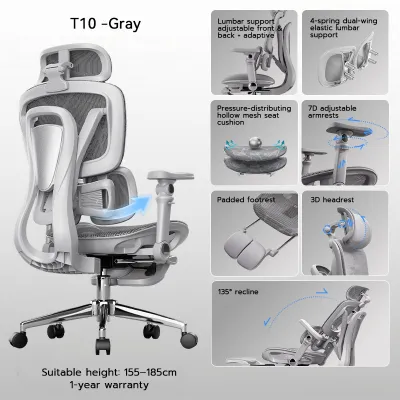
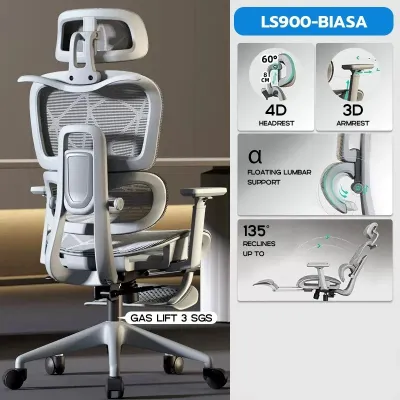
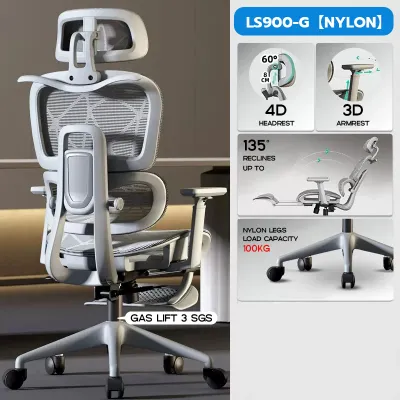
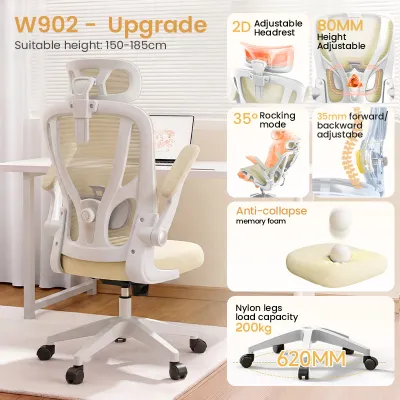
Prices are valid at publication and may change. Please refer to the product page for the latest price.
Material choices in this tier heavily influence both comfort and durability, especially in warm climates. Mesh is highly favored for backrests because of its breathability, which helps prevent heat buildup during long working hours. However, the quality of the mesh varies significantly; cheaper mesh can sag over time, while high-density mesh retains its tension. Foam cushioning is another common choice for the seat pan, where high-density molded foam offers better long-term support and shape retention compared to low-density cut foam, which may bottom out within a few months of heavy use.
Structural stability is indicated by the quality of the base and the gas lift cylinder. In this price bracket, you should look for a Class 3 or Class 4 gas lift cylinder, which indicates a higher safety rating and smoother height adjustments. The base material is typically heavy-duty nylon or steel. Nylon bases are rust-resistant and lightweight, making them highly suitable for humid environments, while steel bases offer a heavier feel but require proper finishing to prevent corrosion over time.
Warranty coverage and after-sales support are critical indicators of a manufacturer’s confidence in their product. In this price tier, reputable brands typically offer a 1-year to 3-year limited warranty covering the gas lift, recline mechanism, and frame. Always verify what parts are covered and whether the seller provides local customer support, as shipping heavy replacement parts can be costly and time-consuming.
Xpanse T10 Core Specifications and Ergonomic Features
The Xpanse T10 is designed with a focus on mesh construction and targeted lumbar support. When evaluating this model, you must check the manufacturer’s specification sheet for the exact seat width, seat depth, and backrest height to ensure they align with your body proportions. The chair is built to accommodate standard adult dimensions, but verifying these measurements against your current seating setup is a necessary first step.

The chair typically features a synchro-tilt mechanism, which allows the backrest to recline at a faster rate than the seat pan. This design helps keep your feet flat on the floor and maintains proper spinal alignment as you lean back. You should verify the number of locking positions available on the recline mechanism, as some users prefer a free-floating tilt for dynamic movement, while others require a rigid, locked angle for focused tasks.
Armrest adjustability on the T10 should be verified prior to purchase, as configurations can vary by production batch. Depending on the specific variant, these may be 2D (height and angle) or 3D (height, angle, and depth) adjustable. The armrest pads are typically made of polyurethane (PU), which provides a slightly soft surface that supports the elbows comfortably and is easy to wipe clean.
The base of the Xpanse T10 is usually constructed from reinforced nylon, paired with nylon or polyurethane-coated casters. PU-coated casters are generally quieter and less likely to scratch delicate flooring like hardwood or vinyl tiles, whereas standard nylon casters are better suited for carpeted surfaces. Understanding your floor type will help you determine if you need to purchase a protective mat alongside the chair.
Assembly is required for most units delivered from online marketplaces. The user manual outlines a step-by-step process involving securing the seat mechanism, attaching the armrests and backrest, and inserting the gas lift into the base. The package generally includes an Allen key, but having a dedicated screwdriver or socket wrench on hand can make the assembly process smoother and ensure all bolts are tightened securely.
Comparing the Xpanse T10 Against Typical Market Alternatives
When comparing the Xpanse T10 to other chairs in the ₱5,000–₱10,000 range, the primary differences lie in the execution of lumbar support and seat pan design. Some competitors in this bracket offer a fully upholstered foam seat with a mesh back, while others, like certain configurations of the T10, feature a full-mesh seat. A full-mesh seat provides superior airflow but requires a highly durable mesh to prevent the user’s thighs from pressing against the hard plastic frame of the seat pan.
Adjustability ranges also vary across brands. While the T10 emphasizes a dynamic lumbar support system that adapts to your movement, alternative models might offer manual lumbar depth adjustment, which allows you to control the exact pressure exerted on your lower back. The table below outlines checkable variables to help you compare the T10 against typical market alternatives:
| Feature / Variable | Xpanse T10 (Verify on Label) | Typical Competitor A (Full Foam Seat) | Typical Competitor B (High-Back Mesh) |
|---|---|---|---|
| Seat Material | Full Mesh or Mesh-Foam Hybrid | High-Density Molded Foam | Full Mesh |
| Lumbar Support | Dynamic / Self-Adjusting | Height-Adjustable Pad | Fixed Ergonomic Curve |
| Armrest Adjustability | 2D or 3D (Model Dependent) | 1D (Height Only) or Fixed | 3D (Height, Angle, Depth) |
| Recline Mechanism | Synchro-Tilt with Lock | Tilt Lock (Upright Only) | Synchro-Tilt with Multi-Lock |
| Base Material | Reinforced Nylon | Chrome-Plated Steel | Heavy-Duty Nylon |
| Caster Type | PU-Coated (Floor-Friendly) | Hard Nylon | PU-Coated |
The trade-off in this price range often comes down to feature density versus structural simplicity. A chair with 3D armrests, seat slide adjustment, and a multi-locking recline mechanism has more moving parts, which can increase the likelihood of squeaks or mechanical wear over time. Conversely, a simpler chair with fewer adjustments might feel more solid and durable because its manufacturing budget was spent on higher-grade plastics and a sturdier frame rather than complex mechanisms.
Space, Assembly, and Daily Use Considerations
Before finalizing your purchase, physical space planning is essential. Measure your desk’s under-clearance height. If your desk has a drawer or a low support beam, ensure the chair’s armrests can lower sufficiently to slide underneath when not in use. This saves valuable floor space in compact home offices or condominium units.
Consider the delivery logistics. Mid-range chairs are usually shipped flat-packed in large, heavy cardboard boxes. Verify the dimensions of your doorways, hallways, and elevator cabins to ensure the box can be easily transported to your room. If you live in a multi-story building without an elevator, plan for the physical effort required to carry a package that often weighs between 15 to 20 kilograms.
Floor protection is another critical factor. While PU-coated casters are designed to be gentle on hard surfaces, dust and grit trapped under the wheels can still cause micro-scratches on laminate or hardwood floors over time. Using a dedicated chair mat or a low-pile rug can protect your flooring and provide a smoother rolling experience.
Routine maintenance is necessary to extend the lifespan of any ergonomic chair. Every three to six months, check all connection points and tighten the bolts securing the armrests, backrest, and seat mechanism. Dust and pet hair can accumulate in the caster axles, hindering mobility; clean the wheels periodically to maintain smooth movement. If the gas lift begins to squeak or lose height gradually, consult the manufacturer’s manual for troubleshooting or replacement instructions rather than attempting to disassemble the pressurized cylinder yourself.
How to Choose the Right Chair for Your Work Setup
To make an informed decision, use this conditional framework to match your specific needs with the right chair design.
Choose the Xpanse T10 if:
- You work in a warm, non-air-conditioned environment where maximum breathability is your top priority.
- You prefer a dynamic, self-adjusting lumbar support that responds to your micro-movements throughout the day.
- Your body proportions fall within standard ranges, and you prefer a seat that encourages an upright, active working posture.
Look for alternatives if:
- You prefer a plush, highly cushioned seat pan that distributes weight evenly without the firm edge tension characteristic of full-mesh seats.
- You require a heavy-duty weight capacity (e.g., exceeding 120 kilograms) and prefer a solid steel base with reinforced structural joints.
- You need highly specific, manual adjustments for lumbar depth and seat slide to accommodate non-standard leg lengths or severe lower back discomfort.
Verify first if:
- Your desk height is non-standard (higher than 75 cm or lower than 70 cm), which may require a chair with an extended gas lift range or an added footrest.
- The seller on your chosen e-commerce platform offers local warranty fulfillment, spare parts availability, and an optional assembly service if you prefer not to build the chair yourself.
- The return policy allows for exchanges or refunds if the chair's physical dimensions do not fit your body comfortably after a trial period.

Community discussion
Share your experience or ask a question. Comments are reviewed before publication.